
Solar Powered Fence Systems: A Comprehensive Guide
Understanding the technology behind solar powered fencing
Across South Africa, solar battery electric fence technology is reshaping boundary security. Maintenance savings can reach up to fifty percent, with power that rises from daylight and never truly sleeps.
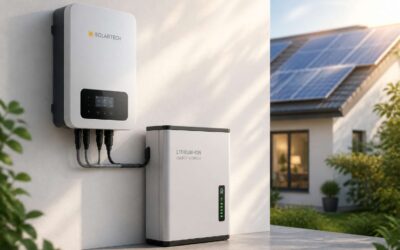
At heart, the system blends solar panels, a storage battery, a controller, and a pulsing energizer. Daylight charges the battery; nightfall yields a steady, measured pulse that deters intruders.
- Off-grid reliability
- Low maintenance
- Scalability for larger properties
This technology thrives in South Africa’s varied climates, with durable components built to withstand heat, dust, and wind, preserving security and harmony across rural and suburban fences.
In this landscape of light and responsibility, the fence becomes a modern guardian—bold, efficient, and quietly poetic in its balance of safety and beauty.
Battery selection and protection for fence systems
Across South Africa’s property lines, a single well-sized battery can transform perimeter security. A solar battery electric fence draws strength from daylight and holds it through nightfall, keeping patrols assured and intruders at bay.
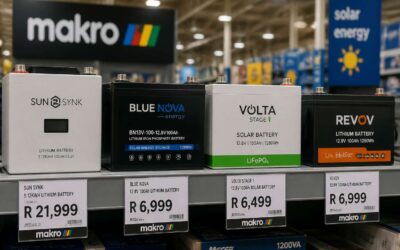
Battery selection hinges on lifespan, climate, and load. Lithium iron phosphate units offer longer cycles; deep-cycle lead-acid are reliable but heavier. Size the bank to meet daily draw plus a cloudy-day cushion; pair with a smart controller that guards against deep discharge.
Protection that lasts is built into the battery ecosystem, not just the energizer.
- Over-discharge protection and low-voltage cutoffs
- Temperature-compensated charging to handle SA heat
- Sealed enclosures with dust and water ingress ratings
Installation and safety for solar powered fencing
At dawn, a well-tuned solar battery electric fence seems almost alive, patrolling the boundary with a quiet promise. “Power is the quiet conductor of safety,” a veteran security consultant once told me, and I know the idea sticks. Daylight fills the bank; nightfall tests its resolve, and the fence holds the line.
Installation is less about brute force and more about harmony with the landscape—sun exposure, wind load, and access for maintenance. In South Africa’s climate, components must tolerate heat, dust, and frequent thunderstorms while remaining discreet enough not to draw attention from trespassers.
Safety is a continuous conversation between enclosure integrity, surge protection, and reliable grounding. Look for weatherproof housings, proper labeling, and a controller that respects temperature swings. A resilient system doesn’t shout it’s there; it simply guards the boundary through every hour of the day.
Maintenance and troubleshooting for efficiency
“The fence is the quiet watchman at dawn,” a veteran technician told me, and the truth lands hard. Solar powered systems endure sunlit hours and stormy nights, yet maintenance is where efficiency stays razor-sharp. A solar battery electric fence thrives on clean contacts, accurate readings, and a steady heartbeat from the controller.
- Voltage stability indicators
- Battery aging and health indicators
- Panel cleanliness and exposure monitoring
- Surge protection and grounding integrity expectations
In the field, steady observation of alarms, aging components, and weather effects keeps a fence performing without shouting its presence. The aim is to catch drift before it becomes a fault, preserving efficiency through day and night.
Applications costs and ROI for solar powered fencing
Sun-driven perimeter protection delivers more than a quiet hum at dawn. In South Africa, where grid reliability ebbs and electricity costs rise, a solar battery electric fence stands as a practical shield. “Sunlight is the cheapest fuel we’ve got!” a veteran installer reminded me, and the truth lands hard. These systems run on steady charging, smart controllers, and weatherproof fencing, turning daylight into durable security without a constant power bill. A solar powered fence brings safety and savings to farms and rural properties.
- Applications: farm perimeters, estates, game reserves, SA properties.
- Costs: upfront hardware, low ongoing running costs.
- ROI: security gains, reduced generator use, longer fence life.
Think of it as a clean, resilient perimeter that scales with your needs. In SA’s rural heartlands, the ROI extends beyond dollars—it’s peace of mind, day after day!
0 Comments