
Understanding 10kW solar battery systems
What does 10kW capacity mean for home energy storage
South Africa’s power landscape hums with interruptions, and a well-tuned home battery can turn those pauses into quiet resilience! In this climate, self-reliance isn’t romance—it’s practical, a way to reclaim evenings when the grid yawns and the house finds its own rhythm.
A solar battery 10kw configuration can deliver up to 10 kilowatts of power to your home at once, supporting essential loads during an outage while energy storage—measured in kilowatt-hours—tells you how long you can endure a quiet evening.
- Peak power delivery for multiple circuits
- Storage duration during outages
- Grid compatibility and safety features
Key components of a 10kW battery setup
Power isn’t a luxury—it’s the rhythm of a home! In South Africa, outages are a daily reality, and a well‑matched system turns those pauses into steady momentum.
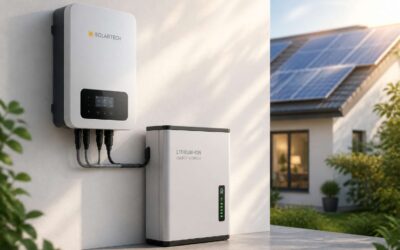
Understanding a solar battery 10kw setup starts with the core pieces: a robust inverter, a capable battery bank, a Battery Management System (BMS), and solid safety features.
- Inverter: Hybrid unit with 10kW continuous output
- Battery bank: Sized for daily cycling and depth of discharge
- BMS: Cell balancing, safety, fault detection
- Safety: Automatic transfer switch, anti‑islanding, thermal monitoring
- Monitoring: Remote data and alerts
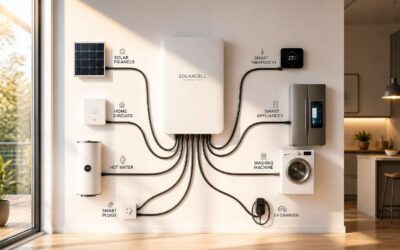
Beyond hardware, the layout matters. AC‑coupled versus DC‑coupled configurations shape how your PV array charges the pack, while a well‑chosen topology keeps upgrades straightforward.
Smart monitoring and rigorous safety oversight protect longevity, ensuring you get reliable resilience when the grid stumbles.
Grid-tied vs off-grid with 10kW storage
In a country where load shedding is a daily drumbeat, choosing between grid-tied and off-grid is less a financial decision than a life strategy. Grid-tied keeps you connected, letting the sun write credits into your electricity bill. Off-grid withdraws the cord entirely, turning your roof into a fortress of steady power, rain or shine.
With grid-tied, the PV array feeds the utility when sun is abundant and draws from it when clouds gather. A solar battery 10kw can be the quiet hinge between sunshine and evening calm, storing daytime surges for nighttime resilience.
Off-grid lovers aim for autonomy: a larger bank, strategy for deep cycles, and seamless tandem with backup generators. The result is a resilient household that doesn’t blink when the grid does; it simply breathes on its own terms.
Whichever path you choose, robust monitoring and safety keep the rhythm intact—remote alerts, thermal checks, and smart sequencing ensure longevity.
Performance metrics for 10kW batteries (efficiency, DoD, cycles)
Understanding the 10kW solar battery systems reveals a quiet elegance. In South Africa, where load shedding is a daily drumbeat, a solar battery 10kw acts like a dependable butler—present, unflustered, and rarely late. Measured in sun-washed hours, it translates daytime surges into nighttime calm with understated grace.
Understand the numbers that govern reliability: key metrics are efficiency, depth of discharge, and cycle life.
- Efficiency (round-trip): typically 90–95%
- Depth of Discharge (DoD): commonly 80–90% for long life
- Cycle life: thousands (roughly 3,000–6,000 cycles, depending on chemistry)
These figures are more than numbers; they sketch how a bank of cells stays balanced and ready to spring back after sunlit hours.
Common use cases for a 10kW storage system
Sunlight is a financial asset; storage is the interest that makes it usable. In South Africa’s grid drama, a solar battery 10kw acts as a dependable butler—present, unflustered, and rarely late—converting day into night with quiet efficiency. Understanding 10kW solar battery systems reveals how this modest powerhouse keeps essentials humming when the main supply wobbles.
Common use cases span residential resilience during outages, small-business continuity, and powering remote sites or hybrid setups. The 10kW scale gives enough headroom to keep the fridge, Wi‑Fi, lights, and pumps running without fuss, turning radiant sun into reliable night-time sustenance.
- Residential resilience during load shedding — core appliances stay cold and online.
- Small-business continuity — cash registers, lighting, and climate control stay operational.
- Remote or hybrid sites — farms, cabins, and workshops remain powered after sunset.
Technical specifications and compatibility
Battery chemistry options for 10kW systems (Li-ion, LFP, NMC)
The sun doesn’t clock out—and neither should your home energy. In South Africa, outages and tariff spikes are the norm, and a solar battery 10kw changes the night—and the bill.
Technical specs hinge on three things: chemistry, inverter pairing, and a reliable BMS. A 10kW setup typically uses 48V or higher packs feeding a 10kW inverter, with a DoD shaped by the chosen chemistry and ambient conditions; ensure grid and safety standards are met.
- Li-ion (NMC): high energy density, compact packs, solid performance in varied SA climates.
- LFP: safety-first chemistry with long cycle life and stable heat tolerance.
- NMC: balanced energy density and lifetime, widely used in 10kW configurations.
Choose a solution that matches your inverter and BMS, and verify warranties. A solar battery 10kw aligned with SA installers unlocks reliable, grid-friendly performance.
Inverter compatibility and AC coupling with 10kW storage
South Africa’s outages are stubborn, and a solar battery 10kw keeps the lights lit when the grid falters. Technical specs for these systems hinge on three things: chemistry, inverter pairing, and a robust BMS. The hardware is guided by practical realities—48V or higher packs driving a 10kW inverter, with DoD tuned to climate and safety rules.
For a solar battery 10kw, inverter compatibility and AC coupling are not afterthoughts. They determine whether stored energy visits the home or stays in the cabinet. Ensure the storage unit supports the inverter’s continuous output, surge, and grid-tied modes; confirm it can be AC-coupled with an existing PV array and complies with SA’s standards.
- Inverter rating and topology
- AC coupling with your solar array
- BMS communication (Modbus/CAN)
A well-matched system, validated by SA installers, aligns warranties with local conditions and keeps performance steady through seasons.
Battery management systems basics
“Continuity is the quiet heartbeat of a home,” and in South Africa that heartbeat pulses strongest when the grid stumbles! For a solar battery 10kw, the nuts-and-bolts are threefold: chemistry, how its brain talks to the rest of the system, and a BMS that holds every cell in check. The BMS basics protect life and performance: it monitors voltage, temperature, and state of charge to keep you safe and honest about DoD.
- cell voltage balance and monitoring
- temperature sensing and thermal control
- SOC estimation and safety cutoffs
Key fundamentals keep a solar battery 10kw system reliable even during heat waves and cold snaps. In SA homes, a well-tuned BMS speaks the same language as your PV and inverter, ensuring smooth transitions in outages, keeping the solar battery 10kw ready.
Safety standards and certifications for 10kW installations
Power outages have become a practical fact of life in many South African homes, turning sunny days into a test of resilience. A solar battery 10kw is more than storage—it’s a steady partner that keeps lights on and devices humming when the grid stumbles.
In terms of technical specifications and compatibility, look for a unit with a well-matched nominal voltage, clear operating windows, and an architecture that plays nicely with your inverter and PV array. Key compatibility cues include discharge and charge currents, communication interfaces, and thermal management that holds performance in SA heat.
- Nominal voltage and pack config
- Discharge/charge currents
- Interfaces (CAN, Modbus, SMBus)
- Thermal management/enclosure
Safety standards and certifications underpin longevity and peace of mind. Here are the core markers to look for:
- IEC 62619, IEC 62933
- UL 9540 and CE
- RoHS and IP rating
- SA electrical compliance
Temperature and climate considerations for 10kW batteries
South Africa’s sun is a stern tutor, testing every battery under its glare. In this landscape, the solar battery 10kw must perform with steadiness even as temperatures climb and the grid falters. Ambient operating ranges commonly hover around 0 to 40 degrees Celsius; beyond that, derating cushions the system, balancing longevity with supply.
- Ambient operating range and derating points
- Thermal management and enclosure design
- Humidity tolerance and IP rating
- Heat dissipation strategy for high-sun environments
In SA’s climate, features such as robust thermal management, weatherproof enclosures, and materials rated for humidity ensure consistent performance at the tail end of the day when cooling is at a premium. The solar battery 10kw should harmonize with high ambient temperatures without sacrificing reliability.
Lifecycle and warranty expectations for 10kW storage
Technical specifications for a solar battery 10kw read like a tightly wound instrument: capacity, voltage window, discharge rate, and thermal limits all aligned to deliver dependable power when it matters most. A capable unit pairs a robust BMS with modular cell design and inverter compatibility suitable for grid-tied or hybrid systems. In South Africa, protection comes in the form of weatherproof enclosures, rugged connectors, and a design that tolerates heat and dust while preserving voltage stability as the day fades and the grid falters.
Lifecycle and warranty expectations translate performance into long-term assurance. For a solar battery 10kw, lifecycle means a balance of cycle life, calendar life, and degradation under SA’s heat. Look for defined cycle life, calendar life, and degradation thresholds, plus a clear warranty on field replacement and workmanship. A robust package typically covers both energy-retention performance and safety compliance. Key considerations include:
- Warranty duration and coverage scope
- Expected cycle life and DoD under real-world conditions
- Service commitments, remote diagnostics, and on-site support
Installation, sizing, and integration
Site planning and space requirements for a 10kW battery
Power bills are rising, and in South Africa that reality makes a solar battery 10kw feel less like a luxury and more like a lifeline. The right placement and size deliver a quiet, sun-fed buffer when the grid falters!
Installation, sizing, and integration hinge on balancing the inverter, battery chemistry, and your home’s load. For a solar battery 10kw, align with the main service panel, ensure adequate ventilation, and decide on grid-tied versus standalone operation with your installer.
Site planning and space requirements matter as much as the hardware itself. Choose a protected, accessible location with room for cooling and clean cable runs.
- Ventilated enclosure with clearance for service
- Solid mounting surface and protection from dust and moisture
- Proximity to the main breaker and inverter for efficient wiring
- Shade-free exposure to avoid overheating and to maximize lifespan
Electrical wiring, code compliance, and interconnection
Connections are the spine of your solar dream. Installation, sizing, and integration hinge on clean electrical design, sensible cable routes, and a clear interconnection path. For a solar battery 10kw, alignment with the main service panel and strict adherence to South Africa’s codes—SANS 10142, IEC standards, and utility interconnection rules—keep the system reliable and compliant.
- Electrical wiring routes and protective clearances
- Code compliance, permits, and inspections
- Interconnection agreements and utility approvals
When these elements align, the system breathes easy—sun-powered days with a calm, resilient heartbeat.
System sizing: matching PV arrays to a 10kW storage unit
The sun doesn’t clock out when the grid falters. Installation, sizing, and integration hinge on a clean plan that respects daily rhythms and the sun’s clock. When you align PV array output with a 10kW storage unit, you create a kit that charges efficiently, runs smoothly, and recovers quickly after a cloudy spell. In South Africa’s climate, planning around peak sun hours makes the difference between ordinary power and genuine resilience.
Pairing PV arrays with a solar battery 10kw ensures you store daytime surplus for evenings and outages, keeping the home steady and ready.
Consider these sizing touchpoints:
- Daily energy use vs. daytime production to match charging rates
- Inverter and charging limits to avoid bottlenecks in storage
- Climate, temperatures, and wiring runs that affect real-world capacity
With careful tailoring, the system breathes easy, day by day.
Professional installation vs DIY options for 10kW systems
Across South Africa, proper installation matters. For many homes, a solar battery 10kw is the lynchpin for turning daytime sun into evening resilience, all while keeping the warranty intact and the grid safe.
Professional installation vs DIY options for 10kW systems offer different risk profiles. A pro team handles permitting, interconnection, and commissioning, ensuring compliance with local codes and safety standards, while DIY can jeopardize warranties and complicate future maintenance.
- Permits, interconnection agreements, and utility approvals
- Guaranteed safety testing and performance verification
- Optimal placement and cabling to minimize losses
With careful planning, the system integrates smoothly, delivering reliable energy storage and protection against outages.
Maintenance routines for optimal performance of 10kW storage
Power uptime has become the new currency, especially in SA. A solar battery 10kw turns bright daytime into reliable evening resilience, shielding you from outages and volatile tariffs. “Power when the grid naps” isn’t a slogan so much as a plan.
Installation, sizing, and integration demand care. A properly installed 10kW storage unit slides into the home’s electrical spine, with correct inverter coupling, smart cabling, and ventilation. Oversized or undersized configurations waste energy and threaten warranties; precise sizing ensures a calm flow of power.
Maintenance routines keep the lights on. Regular BMS health checks, clean cooling paths, tight interconnects, and timely firmware updates make a tangible difference for your solar battery 10kw. Temperature monitoring and inspections round out a care plan.
- BMS health checks
- Ventilation maintenance
- Interconnections inspection
- Software updates
Safety practices during installation of 10kW batteries
Installation, sizing, and integration aren’t afterthoughts — they’re the backbone of reliable solar energy. In South Africa, a well-planned solar battery 10kw turns daylight into evening resilience and guards against erratic tariffs. A proper install slips into the home’s electrical spine with a correctly matched inverter, smart cabling, and good ventilation. Oversized or undersized configurations waste energy and chip away at warranties; precise sizing keeps power flowing with quiet confidence.
For safety, observe these principles during installation:
- Engage a licensed installer and certified electrician to handle connections.
- Verify compliance with local codes and the manufacturer’s guidelines.
- Ensure adequate ventilation, proper mounting, and tidy cable management to prevent heat buildup.
When done right, a solar battery 10kw becomes a calm, dependable partner in your home’s power narrative.
Cost, financing, and ROI
Upfront costs and what to expect for a 10kW solar battery system
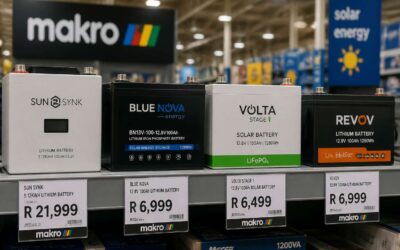
South Africa’s nights are lit with the hum of rising tariffs; a solar battery 10kw can rewrite the story. Upfront costs typically fall in the R180,000 to R320,000 range, depending on chemistry, inverter, and installation. A cash purchase streamlines savings from day one, while financing preserves liquidity and can offer tax relief through depreciation.
- Cash purchase for immediate ownership and the sharpest ROI
- Solar loans with fixed terms and predictable repayments
- Leases or PPAs where available, reducing upfront exposure
ROI hinges on usage and tariff movements; with strong sun and consistent daytime generation, most homes see payback in roughly 6 to 12 years, plus quieter evenings during outages.
Operating costs, incentives, and tax credits for 10kW storage
In SA, tariffs keep climbing, and a solar battery 10kw can rewrite your evenings. Upfront costs typically sit around R180,000 to R320,000, depending on chemistry, inverter, and installation. A cash purchase delivers immediate ownership and the sharpest ROI.
- Cash purchase for immediate ownership
- Solar loans with fixed terms and predictable repayments
- Leases or PPAs where available, reducing upfront exposure
ROI hinges on usage and tariff movements; with strong sun, most homes see payback around 6 to 12 years, plus quieter evenings during outages. Operating costs after the initial outlay are modest, and incentives plus tax credits (with depreciation) can improve the math for the solar battery 10kw system.
Payback period and long-term savings with 10kW storage
Tariffs keep climbing, and the solar battery 10kw offers a quiet answer that reshapes evenings and weekends. The upfront investment sits in the six-figure rand range, shaped by battery chemistry, inverter choice, and installation complexity— a price tag that pays for itself in enduring energy independence.
Financing options give different pathways to ownership. A cash purchase delivers immediate ownership and the sharpest ROI, while solar loans provide fixed terms that keep payments predictable. Leases or PPAs, where available, reduce upfront exposure and let you start saving sooner.
- Cash purchase for immediate ownership
- Solar loans with fixed terms and predictable repayments
- Leases or PPAs where available, reducing upfront exposure
ROI hinges on usage patterns and tariff trajectories. In sun-drenched periods, the payback can align with a decade-long horizon, after which ongoing savings accumulate from reduced grid reliance and fewer outages—a lasting return that compounds over the system’s life.
Resilience value: outages and backup readiness with 10kW systems
The upfront price for a solar battery 10kw sits in the six-figure rand range, varying with battery chemistry, inverter choice, and install complexity. It isn’t impulse-buy territory, but it pays off in energy independence and quiet, uninterruptible evenings when the grid forgets its manners.
Financing options offer different arcs to ownership. A cash purchase clears the books and begins ROI immediately, while solar loans spread the cost with fixed terms. Leases or PPAs, where available, reduce upfront exposure and let you start saving sooner.
- Cash purchase for immediate ownership
- Solar loans with fixed terms
- Leases or PPAs where available
ROI hinges on usage and tariff trajectories. In sun-drenched months, payback can stretch toward a decade, after which savings accumulate from reduced grid reliance. The ROI resilience value—outages and backup readiness with a solar battery 10kw—keeps critical circuits alive during outages and offers peace of mind with dependable power.
Financing options and warranty considerations for 10kW storage
Cost sits at the heart of every kitchen-table decision. For a solar battery 10kw, the upfront price sits in the six-figure rand range, driven by battery chemistry, inverter choice, and install complexity. It isn’t impulse-buy territory, but it yields energy independence and quiet evenings when the grid forgets its manners.
Financing options shape how you get there. A cash purchase offers immediate ownership; solar loans spread the cost with fixed terms; and leases or PPAs, where available, reduce upfront exposure and let you start saving sooner.
ROI hinges on usage, tariff trajectories, and the resilience value tied to outages and backup readiness. In sunny months payback can stretch toward a decade, after which savings grow as grid reliance falls. Warranty considerations matter too: battery warranties commonly span 5–10 years with inverters often backed for 10–15 years, and a strong SA service network can protect that investment.
Best practices for evaluating bids from installers of 10kW systems
For a solar battery 10kw, upfront costs sit in the six-figure rand range, shaped by battery chemistry, inverter choice, and install complexity. In South Africa, rooftop geometry and permitting can add margins—and the payoff is energy independence and hushed, resilient evenings when the grid forgets its manners.
When evaluating bids, insist on a clear breakdown: hardware, installation scope, and grid-interconnection charges. Compare not just price, but lead times, site access, and the installer’s track record with SA service networks.
ROI best practices: model a 10- to 15-year horizon, test sensitivities to tariff shifts, and demand transparency on aftercare commitments and data access. Prefer bidders who share concrete case studies from nearby installations.
0 Comments