
Understanding solar and battery basics
What is solar power and how it works
Sunlight is the currency of progress, and in South Africa’s sun-drenched landscape the cost of solar panels has fallen by more than 70% in the last decade, unlocking energy independence for many households.
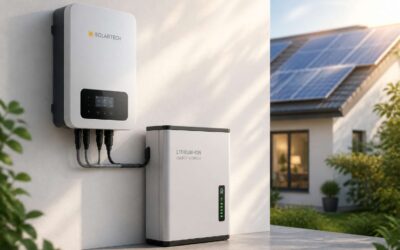
Understanding power means tracing a simple journey: photons meet PV cells and energy appears as DC. An inverter translates that into the home’s language—AC. When a battery joins the system, surplus energy is stored for night, and I watch the day’s light become a steady heartbeat in our grid.
- Photovoltaic cells capture light to generate electricity
- Inverters convert DC to usable AC for appliances
- Storage systems preserve energy for night and outages
Across South Africa, this quiet alliance reshapes how a home relates to the grid—more resilience, fewer interruptions, and a future fed by daylight alone!
What is a battery in solar systems
Sunlight is South Africa’s most patient partner, and whether you think in terms of solar or battery, storage turns daylight into reliability for every hour after noon.
A storage battery in a solar setup behaves like a quiet vault. It captures energy when panels are buzzing with sun and releases it during cloudy mornings or a sudden outage, keeping essentials humming without panic.
Understanding the battery component means balancing capacity, reliability, and safety, and many homes in SA size for a night of comfort.
- Storage capacity
- Cycle life and efficiency
- Monitoring and safety features
Key components of a solar and battery system
Understanding solar and battery basics starts with the idea that power is a conversation between sunshine and storage. In South Africa, a well-matched system turns daylight into a quiet, reliable hum that carries you through outages and overcast mornings.
The essentials, when viewed together, reveal balance and safety. Consider these key components as partners in a seamless energy story:
- Solar array — daylight harvesting
- Battery bank — storage capacity
- Inverter/charger — power shaping
- Monitoring — safety and health
Whether you think of solar or battery, the triad remains: capacity, reliability, and safety. In South Africa’s climate, the right balance means resilience through long afternoons and sudden outages, without drama—just a steadier, human energy flow that keeps daily life anchored.
Grid-tied vs off-grid vs hybrid setups
Sunlight writes a steady ledger across South Africa, and a thoughtful solar or battery setup helps your home read it aloud. The arc you choose shapes when you use power, whether you stay tethered to the grid or stand on your own sunrise.
Grid-tied, off-grid, and hybrid paths offer three honest routes to resilience—and each carries its own poetry of reliability.
- Grid-tied: Energy flows to the grid during sun, with credits and minimal storage.
- Off-grid: A robust battery bank powers essentials when the sun hides.
- Hybrid: Grid backup plus battery smoothing for steady mornings and long afternoons.
Across South Africa, listening to the sun’s rhythm—and letting a battery do the quiet, courageous work—defines modern living. I watch the dawn redraw our mornings, and the quiet hum becomes a daily vow!
Efficiency and performance factors
South Africa basks in roughly 2,200 to 2,600 peak sun hours per year, a generous ledger the sun keeps for every roof. Understanding solar or battery basics helps translate that light into daily reliability — I see bright afternoons turning into steady mornings and calm evenings as the panels wake up.
Efficiency and performance hinge on a few quiet factors that shape real-world results:
- Panel efficiency and shading
- Inverter and charge controller quality
- Temperature effects and battery health
- Depth of discharge and cycling habits
Where sun angles meet climate and usage, outcomes feel alive with potential. I watch the house breathe as energy flows balance charging, storage, and load—keeping the lights steady even as clouds drift by.
How solar panels and batteries work together
How charging from solar panels occurs
On South African rooftops, the sun writes our hours in kilowatt-hours. Panels drink light while a matched battery remembers it, turning bright hours into quiet resilience. When these two forces synchronize, power moves like a heartbeat—steady, immediate, and intimate. The partnership isn’t merely hardware; it’s a philosophy of daily independence.
Charging from solar panels occurs in deliberate steps that feel almost ceremonial:
- Photons strike the panel, freeing electrons and generating DC electricity
- The charge controller tunes voltage and current, protecting the system
- The energy flows into the storage for later use
Together, solar and battery render daylight durable, a moral hedge against outages and a tangible reminder of who we become when the grid stumbles. Choosing solar or battery storage isn’t merely a tech decision; it’s a stance.
Battery chemistry basics
Across South Africa, homes with solar paired with battery storage stay lit longer during outages, reliability rising by a notable margin—around 60%. The alliance isn’t a gimmick; it’s a quiet, post-sunset choreography where sunshine and stored energy keep daily life humming.
Panels harvest from solar energy and feed energy into storage with a friendly rhythm. Battery chemistry inside storage determines how quickly energy is readied, how long it lasts, and how safely it behaves under stress. The best blends balance capacity, temperature tolerance and lifespan, ensuring mornings arrive without drama.
Chemistry basics include a few familiar options:
- Lead-acid systems offer lower upfront cost and rugged tolerance
- Lithium-ion systems provide higher energy density and longer life
- LiFePO4 systems are a safer, temperature-stable choice
Power management and load profiles
Sunlight becomes a quiet conductor when solar panels meet a storage battery. Across South Africa, homes with this pairing stay lit longer during outages, and reliability climbs by about 60%. The secret is a seamless flow: panels fill the battery bank, while intelligent control equipment throttle or release energy to match daily needs.
Power management hinges on understanding load profiles—when people cook, work from home, or charge devices, it shapes how energy is drawn. A few core practices keep the system harmonious:
- Capture daytime solar energy to charge the battery for later use.
- Shift non-urgent loads to sunny hours to maximize self-use.
- Smart inverters and battery management regulate charging, discharging, and safety automatically.
Night-time resilience is the payoff: the battery sustains essential circuits while the solar array rests. In this dance, solar and battery become partners in daily life, turning the sun’s promise into steady, manageable power rather than a fleeting moment of brightness.
Role of inverters and transfer switches
Solar panels and batteries aren’t separate actors on a roof; they form a living system. When daylight floods the panels, energy flows into the storage bank, and at night the SA reserve keeps essentials humming. In this solar or battery pairing, outages stay survivable, not disruptive!
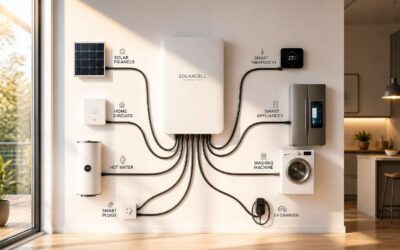
An inverter acts as the translator, converting DC from the array into AC for household circuits. It also smooths the power waveform so flicker and surges stay small, preserving appliances and connectivity.
Roles in this flow include:
- Inverter converts DC to AC and smooths power for home loads.
- Transfer switches direct energy between grid, battery, or hybrid pathways during outages.
- Automatic controls coordinate charging, discharging, and safety to protect equipment and occupants.
Transfer switches steer power between grid, battery, or a hybrid path during outages. They coordinate with automatic sequencing to protect circuits and battery health, weaving day and night into a continuous thread.
Storage vs generation: when to store energy
“Sunlight is cheap, spare power priceless,” a rural elder likes to say, and in South Africa that truth still rings clear. The choice isn’t simply solar vs the grid; it’s solar or battery living together. When panels drink daylight, energy fills the storage bank, and after sundown the home breathes on reserve. That quiet partnership keeps mornings calm and outages from becoming storms.
Storage vs generation: when to store energy is the daily question. During peak sun, production can outpace immediate needs; capturing that surplus for later keeps the fridge humming and the lights steady without drawing on the grid.
- Surplus daytime energy stored for evening use
- Maintains critical loads during outages
- Helps level seasonal weather and cloudy days
In practice, solar or battery becomes a daily rhythm rather than a gadget—adjusting with your load, your roof, and the seasons to offer quiet resilience to homes across the region.
Choosing the right solar or battery system for your home
Assessing energy needs and usage patterns
In South Africa’s sun-drenched days, a well-chosen home energy system can cut reliance on the grid by up to 40%. Choosing the right solar or battery setup begins with what your house truly needs, not what a brochure promises. Picture your home as a castle: light fills the halls, yet the corridors demand steady, balanced power!
- When you use most energy (day vs night) and how much you consume
- Available roof space and the angle of sun on your property
- Budget range and your preferred level of autonomy
Beyond numbers, consider the rhythm of your days and the spell of your climate. A thoughtful assessment helps align your energy system with your lifestyle, weaving resilience into your home’s daily magic.
Sizing solar panels and battery capacity
Your home deserves a power partner, not a brochure. In South Africa, a well-sized solar or battery system can trim grid reliance by up to 40% when it mirrors real needs rather than marketing puffery. Size isn’t about max capacity; it’s about matching your daily tempo and the season’s sun, so evenings stay properly lit.
To size it right, consider these anchors for sizing solar panels and battery capacity:
- Roof space and shading
- Patterns of day and night energy use
- Autonomy targets and budget
When these elements align, a solar or battery setup becomes a patient ally, turning daylight into steady power and your ledger into something pleasantly predictable.
Battery types: Li-ion, LFP, lead-acid pros and cons
Choosing the right solar or battery system for your home hinges on the chemistry behind the curtain. In South Africa’s sun-scorched climate, reliability, cost, and safety must all align. The trio—Li-ion, LFP, and lead-acid—each scripts a distinct energy rhythm for your daily tempo and budget.
- Li-ion: high energy density; long life; higher upfront cost and heat sensitivity.
- LFP (Lithium Iron Phosphate): safer, long cycle life; heavier; lower energy density.
- Lead-acid: low upfront cost; heavy; shorter cycle life; requires maintenance.
Choosing isn’t about a single winner; it’s a balancing act. Li-ion suits space-conscious homes, LFP favors safety and longevity, and lead-acid remains viable where cost rules and space is less of a constraint. The right blend of solar or battery is less about chasing peak capacity and more about endurance aligned to your usage!
System configurations: grid-tied, off-grid, hybrid
South Africa basks in roughly 2,500 hours of sunshine a year, turning your roof into a tiny power plant. Choosing the right solar or battery system isn’t about chasing the biggest number; it’s about endurance, reliability, and budget. When you map it out, system configurations—grid-tied, off-grid, and hybrid—shape your daily rhythm.
Grid-tied, off-grid, and hybrid each serve different lifestyles. Grid-tied stays connected and uses daytime generation to offset the grid’s demand; off-grid demands bigger storage and complete independence; hybrid blends both, using batteries to smooth outages during load shedding while staying plugged in.
- Grid-tied: stays connected; saves on daytime consumption and simple tariffs.
- Off-grid: maximum independence; larger storage and planning required.
- Hybrid: flexible balance; leverages storage while enjoying grid reliability.
Roof, space, and location considerations
South Africa basks in roughly 2,500 hours of sunshine each year, turning every roof into a quiet forge of power. Choosing the right solar or battery setup is less about chasing the biggest number and more about resilience, reliability, and budget meeting reality where you live.
Your home’s roof is the stage for this solar journey. Roof size, pitch, and exposure shape what’s possible, while trees, shadows, and seasonal sun angles influence returns. North-facing urban rooftops with clear spans excel; shaded nooks demand clever planning to maximize capture. The choice between solar or battery modules will hinge on space, climate, and how you live.
Location matters too—urban courtyards, hillside estates, or distant farms each pose different winds, maintenance windows, and service access. Local regulations, permitting timelines, and supplier support weave into the final design of your power solution.
Cost, financing, and ROI for solar or battery installations
Understanding upfront costs and ongoing maintenance
In a land where power outages shadow each dusk, a solar or battery installation is a quiet rebellion against the grid. Upfront costs cover solar panels, inverters, mounting, and installation, with permits adding a thin layer of red tape. Ongoing maintenance, while lean, keeps the glow steady through the night, mainly periodic checks and occasional battery health reviews.
Here are the cost and financing anchors that shape the final ledger:
- Upfront costs: panels, inverters, mounting hardware, wiring, and permit fees
- Financing options: solar loans, leases or PPAs, and government rebates
- Ongoing maintenance and ROI drivers: regular inspections, inverter firmware updates, cooling, and battery health checks
ROI depends on tariffs, usage patterns, and the system’s longevity. In South Africa’s energy landscape, a well-timed investment can shorten payback and brighten nights for years to come, with steady savings and resilience growing as reliability improves.
Financing options and incentives (tax credits, rebates)
Power security is the new home luxury, and a solar or battery installation can dramatically cut grid dependence during outages and peak tariffs! The upfront investment buys resilience and long-term price certainty in South Africa’s volatile energy landscape.
Financing options and incentives help turn that upfront cost into a sustainable choice:
- Solar loans
- Leases or PPAs
- Government rebates and tax incentives
- Utility programs and grants
ROI hinges on tariffs, usage patterns, and system longevity. In South Africa, incentives and tariff structures can shorten payback, with steady savings as outages recede and energy prices rise. Solar or battery ROI improves as reliability grows and the grid shifts.
Payback period and return on investment
Costs loom like shadows at dusk, but the payback clock can be a steady beacon in South Africa’s volatile energy theatre. A well-designed solar or battery installation slashes the monthly grid bill and delivers predictable savings as tariffs rise. The upfront cost, while daunting, buys resilience and long-term price certainty, turning risk into a shield against outages and rate spikes.
Financing options help turn that upfront cost into a sustainable choice:
- Solar loans
- Leases or PPAs
- Government rebates and tax incentives
- Utility programs and grants
ROI hinges on tariffs, usage patterns, and system longevity. In South Africa, incentives and tariff structures can shorten payback, with steady savings as outages recede and energy prices rise. ROI improves as reliability grows and the grid shifts.
Net metering and utility rate structures
A solar or battery installation may demand a sizable upfront outlay, but it buys price certainty against Eskom’s tariff spikes and outages that have become part of South Africa’s energy theatre. The upfront cost funds resilience and long-term savings, turning volatility into a shield for homes and businesses.
Financing options turn that upfront cost into a sustainable choice. In South Africa, you’ll find options ranging from loans and leases to rebates and utility programs that convert a lump sum into predictable, annual savings.
ROI hinges on tariffs, usage patterns, and system longevity. Net metering and utility rate structures can shorten payback as you harvest steady savings while outages recede and energy prices rise. A robust solar or battery setup grows more valuable as reliability improves and the grid shifts.
Choosing reputable installers and warranties
Price certainty amid Eskom’s volatility is the quiet lure of solar or battery systems! The upfront outlay buys resilience and long-term protection against tariff spikes.
Financing options in South Africa turn that upfront cost into a sustainable choice: loans, leases, rebates, and utility programs translate a lump sum into predictable, annual savings.
ROI hinges on tariffs, usage, and system longevity. Net metering and utility rate structures can shorten payback as reliable savings grow while outages recede and energy prices rise.
Choosing reputable installers and warranties matters: licensing, proven track records, and robust warranty coverage ensure service and uptime.
- Licensed installers with verifiable references
- Transparent warranty terms for modules and inverters
- Local after-sales support with clear service level agreements
Estimating long-term savings with battery storage
The most telling cost metric for solar or battery storage isn’t the sticker price—it’s the shield it offers against rising bills. In SA, electricity tariffs have climbed steadily, and Eskom’s volatility adds suspense to monthly statements. The upfront outlay buys resilience, while long-term performance softens tariff spikes and outages, turning a single purchase into years of predictable comfort.
Financing options in South Africa turn that upfront cost into a sustainable choice: loans, leases, rebates, and utility programs translate a lump sum into predictable, annual savings. With a solar or battery setup, ROI hinges on tariffs, usage, and system longevity; I’ve seen net metering and utility rate structures shorten payback as reliable savings grow while outages recede and energy prices rise.
- Upfront vs total lifetime cost
- Warranty coverage
- After-sales support
0 Comments