
Introduction to solar battery vs car battery: core concepts and definitions
What a solar battery is and how it stores energy
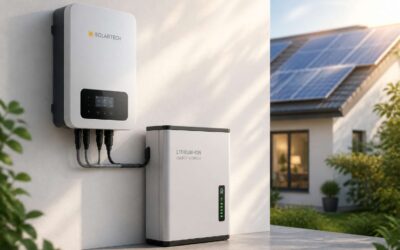
South Africa endures hundreds of hours of load shedding each year, turning energy questions into practical decisions. The contrast between solar battery vs car battery is telling: one stores sun-borne energy for later, the other delivers high-current bursts to start a motor. A solar battery is a deep-cycle storage device that accepts energy from solar panels and releases it to power homes, pumps, and appliances—often with a smart management system to optimize charging and longevity.
Car batteries are designed for short, high-current bursts to turn over engines; they tolerate frequent recharging from alternators but aren’t built for deep discharge. Core concepts include:
- Solar battery: deep-cycle storage for solar energy with multiple daily cycles
- Car battery: starter battery optimized for cranking power, limited depth of discharge
- Key metrics: capacity (kWh), depth of discharge, and cycle life
Understanding these differences keeps future energy plans practical and affordable.
What a car battery is designed to do and how it operates
South Africa endures hundreds of hours of load shedding each year, turning energy questions into practical decisions and daring you to plan ahead. This is where storage choices meet everyday life, and the contrast between a car battery and a solar battery starts making sense.
Car batteries are designed for short, high-current bursts to turn over engines. They tolerate frequent recharging from alternators but aren’t built for long, deep discharge. Key traits include high cranking power, limited depth of discharge, and moderate cycle life.
- Starter power for engine cranking
- Frequent recharges from the alternator
- Limited depth of discharge and cycle life
Understanding these roles helps you align equipment with your needs and budget. In practice, choosing solar battery vs car battery becomes a decision driver for resilience, cost, and performance in South Africa.
Key differences at a glance: chemistry, lifecycle, and use cases
Across South Africa, load shedding rewrites daily life, turning resilience into a practical craft. The choice between solar battery vs car battery isn’t abstract—it’s about keeping lights on when the grid coughs and planning for longer outages.
At a glance, the differences hinge on chemistry, lifecycle, and use cases:
- Chemistry: lead-acid vs lithium and other chemistries shape efficiency, safety, and weight.
- Lifecycle: cycle counts and depth of discharge determine longevity in real-world cycles.
- Use cases: stationary home storage contrasts with mobile power needs.
Put simply, a solar battery stores daytime harvests for long-lasting home energy, while a car battery is tuned for rapid, high-current bursts. The underlying chemistry and discharge limits matter when the sun hides and the grid falters.
Understanding these distinctions helps readers navigate options and imagine an energy future that feels steadier, more personal, and less at the mercy of outages.
Technical specifications and battery types
Fundamental battery chemistry: lead-acid, lithium-ion, and alternatives
In a country where load shedding is the norm, solar storage is turning sunlight into steady power. When you compare solar battery vs car battery, the difference in purpose becomes clear: one powers a home, the other starts an engine and runs accessories. The design choices ripple through safety, lifespan, and cost.
Technical specifications define what fits where. Here are the fundamentals of battery chemistry you’ll encounter:
- Lead-acid: affordable, rugged, heavy, with shorter deep-cycle life.
- Lithium-ion: higher energy density, lighter, longer life, faster recharge.
- Alternatives: solid-state, flow batteries and other emerging chemistries.
For solar installs, lithium-ion and other advanced chemistries win on energy density and cycle life, especially in hot South African climates. I’ve seen this play out on real roofs. A car battery remains tuned for high current bursts and rapid recharge, typically leveraging lead-acid chemistry.
Common solar battery chemistries and their pros/cons
In South Africa’s energy tapestry, outages stretch for hours, not minutes. In the solar battery vs car battery comparison, the purpose behind each cell reveals itself: one sustains a home through outages, the other jumpstarts an engine and powers accessories.
Technical specifications steer the decision. Lead-acid remains affordable and rugged but heavy with a shorter deep-cycle life; lithium-ion offers higher energy density, lighter weight, and longer life, but demands thermal management and higher upfront cost. Alternatives like solid-state and flow batteries pursue safety and longevity.
- Lithium-ion and advanced chemistries: high energy density, longer cycles, faster recharge, ideal for hot climates.
- Lead-acid: robust, inexpensive upfront, but heavier with limited deep-cycle durability.
- Emerging chemistries: solid-state and flow promise improved safety and scalable performance.
For solar storage decisions, the balance is energy needs, temperature resilience, and budget—the core factors shaping a sturdy, long-day partnership with the sun.
Car battery chemistries and their typical performance metrics
In South Africa, outages stretch for hours, not minutes, reminding us that power is a continuity question. When weighing solar battery vs car battery, the difference isn’t fashion—it’s function: one sustains a home through darkness, the other jump-starts an engine and powers accessories.
Car battery chemistries are optimized for cranking power and reliability. Look to key metrics such as CCA (cold-cranking amps), RC (reserve capacity), and Ah rating to gauge performance and endurance in real-world starts and loads.
- Lead-acid (flooded): affordable upfront; CCA 300–700 A; RC 60–120 min; weight 10–25 kg; typical life 3–5 years.
- AGM/EFB: higher CCA and deeper cycling; RC 100–140 min; weight heavier; life ~4–7 years.
- Lithium-ion (used in some start-stop and EV systems): high energy density, lighter, longer cycle life; requires thermal management; higher cost.
Emerging chemistries like solid-state and flow hint at safer longevity, yet today’s choice hinges on energy needs and budget—framing tomorrow’s solar journey.
How to compare capacity, voltage, cycle life, and depth of discharge
Outages in South Africa stretch for hours, not minutes, turning the choice between solar battery vs car battery into a test of lifelines. The numbers reveal a truth the eye misses: one keeps a home alive through darkness; the other jump-starts an engine and sustains accessories.
Technical specifications anchor the comparison: capacity, voltage, cycle life, and depth of discharge. Car batteries prize high-current starts and reliable recovery, typically delivering 12V with strong cranking power. Solar storage favors endurance—higher voltages or modular arrays designed for many cycles and meaningful usable energy.
Key metrics to compare include:
- Capacity and energy: how much usable power you can draw (Ah/kWh)
- Voltage profile: 12V versus higher-voltage solar bank architectures
- Cycle life and depth of discharge: how often the battery can be charged and how much you can draw
- Thermal management and safety: temperature controls and protection circuits
Standards and safety considerations for solar vs automotive batteries
In the shop and on the rooftop, reliability isn’t a rumor—it’s stamped on the spec sheets and safety labels. When weighing the solar battery vs car battery decision, the numbers go beyond 12V chatter: you need storm-tested energy, proper form factors, and resilient design. Modern storage systems lean on standardized safety packages and industrial-grade components, ensuring long-term performance.
Standards and safety considerations shape what survives the first year on a South African rooftop or in a rural homestead. For either path, look for certifications and documented test results that confirm thermal management, protective circuits, and safe charging practices. The right spec package minimizes risk and maximizes uptime, whether you’re powering lights during outages or keeping an SUV happy on a cold morning.
- Certifications: IEC 62133, IEC 62619, UL 1973, UL 9540A
- Thermal management, venting, and BMS protections
- Safe installation: enclosure, ventilation, and fire-safety compliance
Performance in real-world scenarios
Solar storage performance: efficiency, DoD, and real-world runtime
Performance in real-world scenarios isn’t just gleaming specs. In South Africa’s sun-drenched reality, solar storage contends with heat, shading, and inverter losses—enough to dent lab numbers, especially during load-shedding cycles. The solar battery vs car battery comparison isn’t only about capacity; it’s about how long usable energy lasts when the grid wobbles.
Real-world performance hinges on a few practical knobs:
- Efficiency: round-trip energy capture and losses under typical daytime usage
- DoD: usable energy fraction before the next recharge—how aggressively you cycle
- Runtime: hours of essential-load support from a full charge under real conditions
In the end, the choice boils down to load profile and climate. Solar storage shines with long, steady cycling, while a car battery excels at short, high-current bursts.
Car battery performance: cranking power, reserve capacity, and health checks
When the starter motor fires, cranking power is the car battery’s crowning moment—crucial on chilly mornings! Cold-cranking amps (CCA) measure that shove, but heat, vibration, and age erode it. A battery may show strong lab numbers yet falter on the road if cells have sulfated or aged. Health checks—voltage under load and terminal cleanliness—reveal aging before a breakdown.
In real-world terms, reserve capacity matters during outages when you rely on the battery while the alternator fights to keep up. The solar battery vs car battery debate hinges on energy profile: car batteries excel in short, high-current bursts; solar storage is built for longer, steady draw. In SA, heat and shading accelerate wear, so regular health checks matter to maintain essential power through load-shedding.
Climate and temperature effects on solar and car batteries
Performance in real-world scenarios is where theory meets the road. In SA, heat spikes and outages make the solar battery vs car battery debate a practical concern. When temperatures swing, internal resistance climbs and capacity curves shift, shaping how each power source performs during a blackout.
A few climate realities shape real-world performance:
- Extreme daytime heat accelerates chemical aging and reduces usable capacity.
- Shading and sun angle cut solar battery efficiency, especially in winter or clouded days.
- Vibration and rough roads wear terminals and connections, impacting both types of batteries.
Cold mornings test the car’s starter and the solar system’s ability to sustain a steady draw. For the comparison, climate and temperature effects are a deciding factor, shaping longevity, reliability, and how gracefully each system ages.
Lifecycle expectations and typical replacement timelines
In South Africa’s grid reality, performance under real load is the deciding factor when choosing power storage. The sun isn’t a constant; outages force heavy, unpredictable draws, testing both options in the same blackout. As one SA installer puts it, “Backup power isn’t a luxury—it’s a daily necessity.” The comparison of the solar battery vs car battery reveals how each handles high DoD and temperature swings, shaping longevity from day one.
Lifecycle expectations hinge on chemistry, use pattern, and climate. In SA’s heat, degradation accelerates; so replace timers vary by technology.
- Solar battery (lithium-ion, deep-cycle): 10–15 years
- Solar battery (lead-acid/AGM): 5–7 years
- Car starting battery: 3–5 years
As deployments mature, real-world maintenance and timely planning exceed the specs on paper. Watch for creeping voltage sag, reduced runtime, or more frequent top-ups; these signals guide a lifecycle plan without waiting for a complete failure.
Maintenance requirements and best practices to maximize longevity
In South Africa, real-world performance under load is king. The sun isn’t constant, and outages turn a sunny day into a stress test for the solar battery vs car battery decision. The verdict: the solar option and the car battery handle high DoD and heat very differently, shaping longevity from day one. As one SA installer puts it, “Backup power isn’t a luxury—it’s a daily necessity.”
Maintenance in the field reveals age sooner than brochures do. In the heat, voltage sag and shorter runtimes creep in first, not after a dramatic failure. For longevity, observe how capacity changes with temperature and use; this tells you which path is aging gracefully.
- Creeping voltage sag and reduced runtime signal aging.
- Temperature swings accelerate degradation differently for each chemistry.
- Regular, professional health checks catch drift before a failure.
That balance—a solar battery vs car battery trade-off—guides planning without waiting for failure.
Cost, maintenance, and long-term value
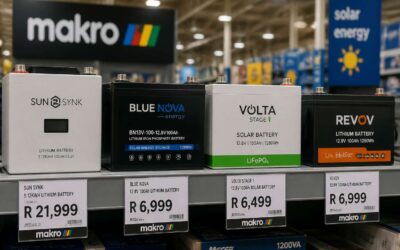
Initial costs: purchase, installation, and system sizing for solar storage
South African homes chasing energy independence know the math: upfront costs shape the year-one relief. In SA, a well-sized solar storage system can cut grid imports by up to 40% in the first year. When comparing solar battery vs car battery, focus on purchase, installation, and system sizing, because the right kit anchors long-term value as tariffs rise and sunny days pile up.
Maintenance stays manageable if planned. Solar storage needs periodic inverter checks, temperature control, and software updates; car batteries demand less routine care but hate heat and quick discharges.
- Electrical connections and safety valves inspected
- Temperature management and ventilation
- Firmware/software updates for energy management
Long-term value depends on durability and warranties. Solar storage units—especially lithium-based—often outlast automotive packs, with longer warranties and better resilience under SA climate. For solar battery vs car battery decisions, the choice hinges on upfront investment and the promise of ongoing reliability.
Ongoing maintenance costs and periodic servicing
Across South Africa, a well-sized solar storage system can shave grid imports by up to 40% in year one, reshaping household budgeting. When weighing solar battery vs car battery, the math isn’t just price—it’s how long the kit keeps delivering under rising tariffs and sunny days!
Maintenance stays manageable if planned. Solar storage demands periodic inverter checks, temperature control, and timely software updates; car batteries require less routine care but despise heat and rapid discharge.
- Inverter health checks
- Temperature management and ventilation
- Firmware/software updates for energy management
Durability and warranties tilt the balance. Lithium-based solar storage often outlives automotive packs, with broader SA climate resilience. For decisions between solar battery vs car battery, the choice hinges on upfront investment and the promise of ongoing reliability.
Warranty, replacement cycles, and total cost of ownership comparisons
Cost isn’t just the sticker price. In South Africa, the solar battery vs car battery decision hinges on how you recoup the investment through savings and resilience. The solar option carries a higher upfront price but promises a longer service life and ongoing energy cost reductions as tariffs rise. Smart sizing and local conditions can tilt the math in favour of storage that keeps you powered when the grid falters or tariffs spike!
Maintenance comes into play too. Solar storage demands periodic checks and firmware updates, while car batteries require less routine care but hate heat and rapid discharge. The key is aligning the system with climate and usage so maintenance stays predictable.
- Initial purchase and installation costs
- Replacement cycles and lifespan
- Warranty terms and service obligations
When weighing total cost of ownership, factor in warranty length, replacement schedules, and downtime costs during outages. Lithium-based solar storage tends to outlive automotive packs in SA climates, reducing lifecycle risk and hedging against rising tariffs. The long view favours reliability and price stability over the long run.
Resale value, incentives, and financial viability of solar vs car batteries
Cost isn’t just the sticker price. When you weigh solar battery vs car battery, the payoff comes from tariff savings and resilience during outages. In SA, the solar option costs more upfront but promises a longer life and ongoing energy savings as tariffs rise.
Maintenance matters too. Solar storage needs periodic checks and firmware updates, while car batteries require less care but dislike heat and rapid discharge. The trick is pairing the system to climate and usage.
- Resale value boost for homes with renewable backup—readily appealing.
- Incentives and financing options that speed payback.
- Financial viability: stable costs and tariff protection.
Long-term value tips the scale toward lithium-based solar storage in SA climates, reducing lifecycle risk and delivering price stability when tariffs climb.
Depreciation and tax incentives that affect ROI
The real trick in the solar battery vs car battery debate isn’t sticker price—it’s how the money flows when tariffs rise and outages strike. In SA, resilience pays, and the winner in the solar battery vs car battery stakes keeps the lights on while prices climb.
Upfront, solar storage costs more, but its longer life and tariff protections tilt ROI in its favor. Expect ongoing energy savings and a longer lifecycle than a typical automotive pack.
Maintenance matters too: solar storage needs periodic checks and firmware updates, while car batteries demand less routine care but hate heat and rapid discharge. Climate-appropriate pairing matters as much as chemistry.
Depreciation and tax incentives shape long-term value. In SA, depreciation write-offs and incentives can shorten payback, affecting the solar battery vs car battery equation.
- Depreciation allowances speed ROI
- Tax incentives and financing options reduce net cost
Choosing the right approach for your goals
Home energy resilience: when to opt for solar storage solutions
When the grid falters on a chilly morning, resilience feels tangible. For homes weighing solar battery vs car battery, the choice hinges on how you want independence to look—steady power when it matters most. In South Africa, outages have become a daily rhythm!
Choose with your goals in mind: steadier mornings for family life, reliable power for a workshop, or quiet continuity on a rural homestead. I’ve watched neighbors choose between systems—endurance as much as chemistry.
- Outages lasting hours? Solar storage keeps essential lights and routers alive.
- Green goals and sunny days align with longer cycle life.
- Space and maintenance on a rural property influence backup choice.
Picture a dawn where the kettle boils and the lights stay on—that calm is the heart of home energy resilience.
Vehicle-focused needs: ensuring battery reliability for starting and longevity
In the solar battery vs car battery debate, the choice hinges on how you want the vehicle to respond during chilly mornings and long drives in South Africa. Reliability to start the engine is non-negotiable; longevity matters for those weekend trips and rural commutes.
- Starting reliability in variable SA climates
- Long-cycle life for less frequent replacements
- Maintenance footprint and space on your vehicle
Whether you seek quiet engine cranking and robust reserve or a battery optimized for energy storage, aligning with your driving patterns and maintenance willingness guides the decision. That alignment translates into reliable starts, predictable costs, and fewer surprises on the road.
Hybrid setups: integrating solar storage with EV charging or hybrid vehicles
In South Africa, load shedding is a relentless backdrop, and your energy strategy should be equally reliable. When you weigh solar battery vs car battery, the decision hinges on how you want the vehicle to respond on chilly mornings and long drives: startup reliability versus storage capacity for weekend getaways. Hybrid setups let you split duties—store sun for daytime use, top up an EV, or give a tired engine a boost when you least expect it.
Consider these hybrid pathways:
- Hybrid solar storage powering at-home EV charging for daily commutes
- Solar-assisted start-stop and idle protection for hybrid vehicles
- Smart energy management that prioritises sun first and charging second
Pick the route that mirrors your daily rhythms, SA climate realities, and willingness to maintain gear—the right hybrid approach keeps starts steady, trips planned, and bills sane.
Regulatory considerations, incentives, and environmental impact
Outages are a constant drumbeat in South Africa, and your energy plan should keep tempo. When weighing solar battery vs car battery, the decision hinges on how your mornings start: chilly starts demand reliable cranking, weekend trips crave usable storage. Hybrid setups hint at balance, storing sun for daytime use while keeping the engine ready for the road. The right path fits your daily rhythm and SA climate.
Regulatory considerations guide what you can install and how you interact with the grid, while incentives tilt the economics and environmental impact tells the long-term story of your choice.
- Regulatory prerequisites: permits, grid-connection rules, and safety standards
- Incentive landscape: rebates, financing options, and local programs
- Environmental footprint: lifecycle impact and end-of-life recycling
In SA, these factors vary by province and municipality, adding a twist to planning. The hybrid approach balances independence with stewardship.
Safety, handling, and end-of-life disposal for both battery types
Outages haunt the SA grid, turning calm mornings into tests of grit. Choosing the right path — solar battery vs car battery — hinges on how your day starts. On farms and in towns alike, reliability shapes safety, budgeting, and the rhythm of daily life.
Safety and handling differ by chemistry and use. Never open sealed units, avoid short circuits, and store cells away from heat. End-of-life disposal matters too: recycle through local programs and contract a compliant service. In South Africa, regulations guide how we reclaim and repurpose batteries.
- Certified recycling channels
- Independent assessments and inspections
- Safe transport and storage guidelines
Whether you lean toward independence or shared sustainability, the right balance respects SA’s climate and communities — a steady, hopeful cadence that I see in every rural morning.

0 Comments