
Understanding Solar Battery Cabinet Essentials
Why Battery Cabinets Matter in Modern Solar Installations
South Africa lost over 6,700 GWh to load shedding in 2023, a statistic that reshaped how property owners view backup power. A solar battery cabinet is not an accessory; it is the buffer between a sunny afternoon and an empty evening. When the grid staggers, the stored DC energy converts to AC through the inverter with no flicker.
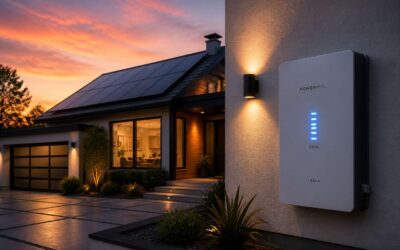
The cabinet itself houses the lithium cells, cooling vents, and protective relays in a steel frame designed for harsh local conditions. Modern solar installations rely on this enclosure to manage charge cycles and prevent thermal runaway.
Without a properly selected enclosure, batteries remain vulnerable to heat, humidity, and electrical faults. For South African homeowners and commercial operations, the choice of solar battery cabinet determines whether load shedding becomes a minor inconvenience or a full-blown disruption.
Typical Cabinet Configurations and Layouts
In a South African summer, a solar battery cabinet must survive temperatures that soften asphalt. The lithium cells inside demand a stable climate, yet the enclosure often sits in direct sun. Thermal management defines a cabinet’s worth. Passive vents only work when air moves. Active cooling systems, like thermostat controlled fans or compressor based air conditioners, hold the temperature band steady.
Configurations follow the physical load. Wall mounted solar battery cabinet units handle residential systems with a single string of cells. Floor standing models, often two metres tall, house parallel strings and multiple inverters. The layout controls cable routing and maintenance access.
- Single string layouts for smaller homes
- Parallel string layouts for commercial loads
- Pre wired busbars for fast installation
Each arrangement changes how the cabinet manages charge cycles, airflow, and fault response. A poorly matched layout will shorten cell life.
IP Ratings and Weatherproofing Considerations
In Cape Town’s salt-laden coastal winds and Gauteng’s thunderstorm season, a solar battery cabinet depends on its ingress protection rating. The IP code, often ignored in showroom brochures, tells you how well the enclosure resists dust and water! An IP54 rating may suit a sheltered garage, while outdoor installation demands IP65 or higher.
Weatherproofing extends beyond the rating. Gasket quality, cable gland seals, and door latch design determine whether that rating holds up in practice. South African installations face UV degradation, humidity spikes, and hail. I have seen cabinets with excellent IP numbers fail because a gland was left loose or the gasket perished within two years.
- IP65 for exposed outdoor walls, IP54 for sheltered garages
- Coastal sites demand marine grade gaskets and stainless hardware
- Humidity spikes test the cabinet’s internal condensation strategy
Condensation management, not full sealing, becomes the real engineering challenge for the solar battery cabinet!
Thermal Management Fundamentals for Peak Performance
Every degree Celsius above 25°C strips roughly two percent of cycle life from a lithium cell. Inside a sealed solar battery cabinet, internal temperatures can exceed ambient by 15°C when the sun beats down! That gap often goes unnoticed until capacity fades.
Heat arises from charge/discharge losses, cell imbalance, and enclosure surfaces. Passive vents fail when dust clogs filters. Active fans introduce a mechanical failure point. The most resilient designs prioritise airflow while respecting condensation dynamics.
Control methods include:
- Phase change materials that absorb heat spikes
- Forced convection with temperature triggered fans
- Thermal isolation pads between cells and metal walls
Thermal management in any solar battery cabinet is a continuous calculation. Cell degradation accelerates silently. Monitoring internal temperature at multiple points, not just at the inverter, reveals the true operating envelope.
Selecting the Right Solar Battery Cabinet for Your Needs
Indoor vs. Outdoor Enclosure Options
South Africa’s residential solar fleet has grown so fast that installers now face a strange reversal: the battery is chosen first, and the solar battery cabinet that should shield it becomes an afterthought. That enclosure deserves far more weight.
Indoor units offer cleaner air and steady temperatures, but they consume living space and require ventilation. Outdoor units tolerate wind and rain, yet they demand UV-resistant finishes and proper gaskets. A cabinet that suits a Johannesburg loft may fail on a Cape Town patio, where salt-laden air corrodes cheaper metals.
When comparing options, consider:
- Battery chemistry, since lithium and lead-acid cells vent differently
- Wall mounting limits and available floor area
- Local weather patterns, from Highveld storms to coastal humidity
The correctly selected solar battery cabinet protects its cells through every night of load shedding. Choose indoors for climate control, outdoors for space, always with the site’s microclimate in mind.
Evaluating Storage Capacity and Scalability
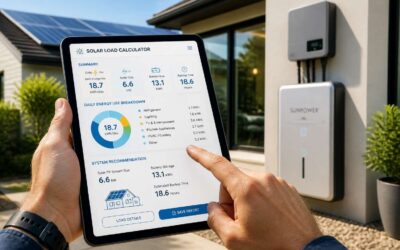
Storage capacity deserves careful thought before purchase. A solar battery cabinet sized for today’s household demand leaves no room for expansion when an electric water heater or an EV charger joins the circuit. I regularly see this issue in South African suburbs.
Internal volume determines how many battery modules the cabinet holds. Manufacturers list maximum amp hours per enclosure, and that number matters more than the price per kilowatt.
Scalability depends on parallel connections and available space. When grid resilience requires stepping up from one to several modules, the enclosure’s limits define the upgrade path. Consider:
- Current daily consumption in kilowatt hours
- Anticipated loads from the next two years
- Cabinet dimensions relative to available wall or floor space
Capacity planning does not need to be complicated. Match the enclosure’s limits to your actual load profile, and the solar battery cabinet will handle the loads you add later!
Voltage Ratings and Inverter Compatibility
The most expensive solar battery cabinet cannot fix a voltage mismatch. In South African suburbs, homeowners pair a 48V battery bank with a 400V inverter and watch the system glitch for months. The cabinet, the cells, and the wiring may all be flawless. None of it matters if the inverter’s DC input window does not match the battery’s voltage range.
Check three numbers before committing:
- Inverter nominal DC voltage printed on the label
- Battery cabinet voltage range from empty to fully charged
- Maximum charge and discharge current the inverter allows
The solar battery cabinet might manage heat and weather perfectly, yet still fail because its voltage curve sits outside the inverter’s operating band. In South Africa, where grid instability pushes inverters daily, that margin makes the difference between a smooth evening and a forced shutdown.
Build Materials and Structural Durability
The structure of a solar battery cabinet often receives less attention than its cells, yet a dented frame can ruin an entire bank. Coastal salt spray, Highveld hail, and the sheer weight of lithium modules all test the enclosure daily. The choice of build material determines whether that cabinet holds firm for fifteen years or cracks within two.
Zincalume steel offers strong corrosion resistance at a moderate price, making it suitable for most inland suburbs. Powder coated mild steel is heavier and cheaper, but chips expose bare metal to rust. Aluminium resists corrosion naturally and weighs far less, yet it bends under point impacts where steel would only dent.
Three material details separate a robust cabinet from a fragile one:
1. Sheet metal gauge: 2mm works for residential loads, while 3mm suits commercial banks.
2. Weld continuity: full seam welds distribute stress evenly, whereas spot welds concentrate it.
3. Fastener quality: stainless steel bolts outlast zinc plated screws in humid conditions.
Temperature swings in South Africa cause steel to expand and contract daily. I have inspected cabinets that looked flawless outside and held hairline cracks inside. A well designed solar battery cabinet uses riveted joints to allow slight movement. Rigid welded boxes may appear stronger, but they accumulate stress at the corners until something gives. That quiet failure often surfaces months later.
Smart Monitoring, Connectivity, and Remote Management
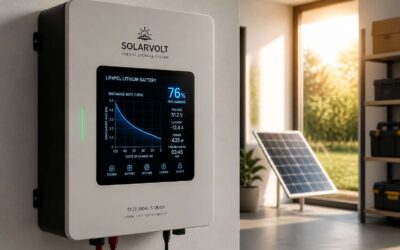
Selecting a solar battery cabinet without considering monitoring leaves you unaware until a fault trips. In South Africa, where grid schedules fluctuate, remote visibility matters. A cabinet that reports state of charge, cell temperatures, and fault codes to your phone saves a trip outside in the rain.
Connectivity options vary. Some cabinets offer Wi-Fi only, fine for a garage. Others include LTE for farms. Protocol matters more than the app. Open standards like Modbus let your inverter and cabinet speak the same language!
- Firmware updates that push without opening the enclosure.
- Historical data stored locally and in the cloud.
- Alerts that reach multiple people, not one phone.
Remote management means setting charge windows from a laptop. For a solar battery cabinet, this moves the unit from passive storage to active control. Do not underestimate battery management integration.
Installation and Placement Best Practices
Site Selection, Clearance, and Ventilation Requirements
In South Africa, the sun is generous, but a solar battery cabinet is only as good as the ground it stands on. Site selection demands more than convenience; it requires a balance between operational access and physical protection. A cabinet placed too close to a wall will choke its airflow, while one facing the afternoon glare may push cells beyond their comfort zone. Clearance is an engineering constraint, not a suggestion, and ventilation openings must stay free of debris. Coastal humidity and inland dust both change the calculus. A thoughtful setup often includes:
– A shaded southern wall for moderate temperatures
– A level concrete pad to prevent moisture pooling
– At least one meter of separation from water sources
– Unobstructed airflow on all sides, even if you want to hide the unit
These choices directly influence the cabinet’s longevity. The environment around your solar battery cabinet shapes its performance more than any monitoring dashboard ever will. Plan the placement once, and you avoid years of remedial work.
Mounting Strategies and Structural Load Calculations
In South Africa, a typical solar battery cabinet can weigh more than 250 kilograms once the cells are installed. That weight must transfer safely into the building’s structure. Wall mounting demands high-grade masonry anchors rated for shear and pullout forces. A bracket designed for a television will not survive a cabinet’s static load.
For ground installations, the load path starts with the concrete pad. The pad should be at least 150 millimetres thick, reinforced with mesh, and cured for seven days before the cabinet arrives. Calculate the total dead load of the cabinet, then add a 30 percent safety margin for unexpected strain.
Consider these structural checks before final placement:
- Confirm the wall material is solid brick or poured concrete.
- Verify the mounting bracket’s working load limit exceeds the cabinet’s full weight.
- Assess wind exposure along the coast, where gusts can multiply lateral force.
The mounting strategy must also allow service access from the front. A solar battery cabinet bolted tight to a wall with zero rear gap will complicate maintenance and force technicians to work around the enclosure.
Electrical Wiring, Grounding, and Cable Management
Wiring a solar battery cabinet demands precision. A single loose termination can create heat, smoke, and costly downtime. I have watched rushed installs fail within months because the DC and AC runs shared the same conduit. Separate them by at least 300 millimetres; where they cross, do so at right angles.
Grounding deserves the same care. Each solar battery cabinet must connect to the main earth bar with a conductor rated for the fault current. Test continuity after every service. Coastal salt air can corrode a bond quietly.
Cable management is practical:
– Use flexible conduit for moving parts.
– Label each circuit at both ends.
– Leave a service loop for future work.
– Use insulated clamps instead of tight nylon ties.
A tidy cabinet reduces fault finding time and keeps the system safe.
Safety Standards and Regulatory Compliance
Fire-Resistant Design and Suppression Systems
In South Africa, a solar battery cabinet must meet SANS standards and municipal fire codes before it earns its place on your property. One statistic worth holding on to: a significant portion of battery incidents trace back to thermal runaway, and a compliant enclosure changes the outcome.
A fire-resistant design starts with the enclosure itself. Steel panels with intumescent coating slow heat transfer. Ventilation dampers close automatically when temperatures spike. These details buy response time.
Suppression systems add another layer. Aerosol generators or clean agent systems extinguish fires without damaging adjacent equipment. A well designed solar battery cabinet compartmentalises cells so a single failure does not cascade.
Typical compliance checkpoints include:
- SANS 62271-200 for metallic enclosures
- Local municipality approval for the installation
- Certification of suppression agents
- Test reports from accredited laboratories
Each requirement is verifiable. That matters when insurers come calling.
Venting and Thermal Runaway Mitigation
Thermal runaway venting is the layer of safety nobody sees, until it matters. When a cell releases hot gases, the pressure needs a controlled exit. A correctly vented solar battery cabinet directs those gases away from occupied areas, preventing enclosure rupture. In South Africa’s high ambient temperatures, this is a daily concern.
Regulatory compliance is not merely a paperwork hurdle. Municipal authorities and insurers expect documented evidence. That means records, not promises. The verification trail includes:
– Gas detection calibration logs
– Pressure relief valve maintenance records
– Test reports from accredited laboratories
– SANS compliance certificates
Without these records, an installation risks shutdown notices or rejected claims. Verifiable compliance separates a legitimate system from a liability.
Battery Chemistry Differences and Containment Needs
Chemistry dictates containment, and containment dictates compliance. A lithium iron phosphate cell behaves differently from a nickel manganese cobalt cell under stress. The former resists thermal events with greater stability. The latter demands rigorous segregation and fire-rated materials. A solar battery cabinet built for one chemistry may be a liability for another.
South African installers must match the enclosure to the electrochemistry, alongside the voltage. SANS 63100 and the Occupational Health and Safety Act create obligations that shift with cell type. For example:
- LFP cells tolerate higher ambient temperatures with slower degradation.
- NMC cells require additional thermal barriers and gas detection.
- Lead-acid chemistries need acid-resistant liners and hydrogen venting.
Every chemistry changes the cabinet’s structural duty. Regulatory compliance in this context is not abstract paperwork. It is the documented alignment of cell behaviour, enclosure design, and installation site. A solar battery cabinet without that alignment is a risk in a country where electricity costs and safety expectations both run high.
Local Building Codes, Permits, and Inspection Criteria
In South Africa, a solar battery cabinet is a legal artifact as much as a hardware purchase. Municipalities like Cape Town and Johannesburg require formal submission of electrical diagrams before energising any storage system. The inspection criteria often hinge on whether the enclosure meets SANS 10142-1 and the National Building Regulations.
- Certificate of Compliance issued by a registered wireman
- Municipal approval for structural placement and fire setback
- Documented load calculations for the mounting surface
Without these, insurers can void claims. A cabinet that passes initial installation may still fail a routine audit if the paperwork does not match the physical wiring. Compliance lives in the gap between documents and reality.
Utility Interconnection and Grid Compliance Rules
Utility interconnection in South Africa operates under NRS 097, a standard that governs grid connection for embedded generators. A solar battery cabinet tied to the municipal network must satisfy this rule set along with the local distributor’s connection conditions. Eskom and municipalities require documented proof of compliance before energising the system.
Grid compliance involves protection features such as anti-islanding and overvoltage trip settings. These functions stop the solar battery cabinet from feeding power into a de-energised grid, protecting line workers and equipment. In our experience, this is where many installations stall. The utility may request test certificates or commissioning reports, and these must match the physical wiring.
Consider the following when applying for grid connection approval:
- Confirm the inverter’s NRS 097-2-1 certification.
- Submit the single line diagram to the municipality.
- Arrange a pre-connection inspection with the local authority.
Without these steps, the system remains off-grid in the eyes of the utility, and penalties may apply.
UL, CE, and Other Global Certification Guidelines
Certification labels are not decorative stamps on a solar battery cabinet. They represent verified performance under fault conditions. UL 9540 and UL 1973 address energy storage system safety, while CE marking indicates conformity with European directives. In South Africa, SABS approval remains relevant for local market acceptance.
Here is what to verify before procurement:
– The certificate number matches the specific model, not a product family
– The certification body performed testing in an accredited laboratory
– The installation manual reflects the same safety parameters as the test report
These documents carry legal weight. Insurers and fire marshals in South Africa increasingly request them during claims assessments. A solar battery cabinet lacking proper certification may void building insurance or trigger municipal rejection. Wholesale distributors now refuse uncertified units outright.
Maintenance, Lifespan, and Total Cost of Ownership
Routine Inspection Checklists for Long-Term Reliability
Most solar battery cabinet failures trace back to neglected maintenance, not component defects. Lifespan depends on routine inspection. Manufacturers rate enclosures for 15 to 20 years, but internal components may need attention sooner. Torque checks on busbar connections and thermal imaging of contactors should happen every six months. Dust accumulation on intake filters reduces cooling efficiency. A pressure differential gauge reveals when cleaning is necessary.
Regular inspection should cover:
- Terminal torque values and corrosion signs
- Filter condition and fan bearing noise
- Calibration of temperature sensors
- Seal integrity around doors and cable entries
- Data logger signal quality
Total cost of ownership for a solar battery cabinet extends beyond the purchase price. Batteries, cooling fan failures, and insurance premiums form the bulk of recurring costs. Proper ingress protection reduces cleaning frequency. Each inspection adds to operational expenditure, particularly on failure prone components. Preventative maintenance costs less than unplanned replacements.
Battery Degradation Trends and Replacement Cycles
Most lithium batteries in a solar battery cabinet lose about 2% of capacity per year, but South African heat accelerates that curve. Degradation trends are not linear. The replacement cycle often arrives at year ten, not the advertised fifteen.
- LiFePO4 cells: 6,000 cycles before 80% capacity
- NMC cells: 4,000 cycles before 80% capacity
Total cost of ownership includes this capacity fade. I have seen affordable cabinets demand a full battery swap within eight years. Cooling failures compound the problem, as every 10°C above recommended temperature cuts cycle life in half. Budget for replacement as a recurring line item, not a contingency.
Cleaning, Corrosion Prevention, and Component Care
Your solar battery cabinet will not thank you for ignoring it. Dust, salt air, and the Highveld’s temperature swings all conspire against it. Cleaning terminals and checking seals should happen quarterly. Corrosion works without warning. A thin film of oxidation on busbars raises resistance, wastes energy, and shortens component life. Apply dielectric grease to connections after inspection. Use a soft brush and contact cleaner, never water. Remember:
- Inspect cable glands for cracks every six months.
- Torque lug bolts to spec, not feel.
- Replace worn gaskets before they leak.
Component care also means watching fans and filters. Clogged filters force cooling fans to work harder, which accelerates wear. Factor these tasks into your total cost of ownership. A modest maintenance routine for a solar battery cabinet costs less than one emergency service call. Your budget will thank you.
Lifecycle Cost Analysis and Return on Investment
Your solar battery cabinet represents a capital outlay, but its lifecycle cost tells the fuller story. A cheaper unit with poor thermal design may fail within five years, while a robust enclosure with proper ventilation can easily serve fifteen. That difference transforms the return on investment calculations for any commercial installation.
- Cycle depth and discharge rates directly influence replacement timing.
- Ambient temperature control extends useful lifespan by reducing stress.
- Accessibility for maintenance lowers labour expenses over the long run.
Lifecycle cost analysis should include degradation trends, not just upfront pricing. Every percentage point of avoided capacity loss postpones the next battery purchase. When you factor interest rates and electricity tariffs, a premium unit often pays for itself through extended service life alone.
Emerging Trends and Future-Proofing Your Solar Storage
Modular, Stackable Cabinet Designs for Flexible Expansion
In South Africa, the average household now evaluates solar storage with the same scrutiny once reserved for a car purchase. That demand for flexibility is driving a shift toward modular architectures. A solar battery cabinet with stackable modules lets you start with a modest footprint and expand as consumption grows, which matters when load shedding schedules remain unpredictable.
When evaluating expandable systems, consider three practical points:
- Whether busbar and cabling can handle future current loads without replacement
- If thermal design still functions correctly when modules are stacked
- Whether the manufacturer offers compatible modules for the original enclosure
Stackable designs simplify logistics because installers handle lighter individual components. You avoid purchasing a massive enclosure on day one. Instead, you scale the solar battery cabinet in phase with your budget. Modern units support hot-swappable modules, so adding a block does not require shutting down the entire system.
Smart-Grid Integration and Advanced Energy Management Software
South Africa’s grid is becoming a structured market. Gauteng and Western Cape municipalities are testing time of use tariffs that reward available battery capacity. Your solar battery cabinet will only profit if it can parse those signals independently!
Advanced energy management software now performs state of charge forecasting, weather prediction, and bidirectional energy routing in real time. It decides when to hold charge and when to push excess power back. You interact through a dashboard, but the decisions happen automatically.
Three details decide whether your system survives the next regulatory shift:
- Verify the cabinet’s controller supports remote firmware updates.
- Check that the battery chemistry tolerates frequent cycling from grid charge and discharge.
- Ask your installer whether the system can join a virtual power plant programme.
Future proofing your solar battery cabinet means choosing hardware with open communication protocols. A closed system will limit your options when Eskom introduces new requirements.
Recycling, Repurposing, and Second-Life Battery Applications
Industry projections suggest that by 2030, over 11 million tonnes of spent lithium ion batteries will accumulate globally. South Africa’s solar battery cabinet installations are accelerating, and thousands of retired cells will need homes by the early 2030s. The emerging answer is circularity: repurposing degraded batteries for secondary tasks like grid stabilisation or load shifting.
Manufacturers now design cabinets with standardised cell modules that simplify disassembly. Some label each cell with a QR code that tells recyclers exactly which materials to recover. For the solar battery cabinet owner, future proofing means asking about cell replacement options and repurposing pathways. Consider this:
- Verify that cell modules are independently replaceable.
- Ask if the manufacturer offers a take back program for degraded cells.
- Confirm that the battery management system logs cycle history for second life valuation.
Such a cabinet retains residual value beyond its primary lifespan.
0 Comments