
Hybrid Solar Storage and Backup Power Fundamentals
What is a solar battery and generator hybrid
In a country where load shedding is part of life, a solar battery and generator hybrid becomes a quiet beacon. It turns unpredictable outages into manageable pauses, letting spaces glow and screens stay bright!
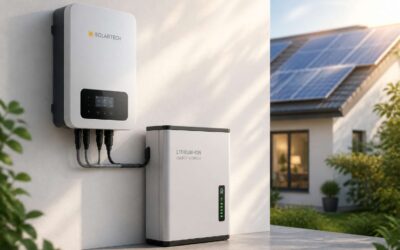
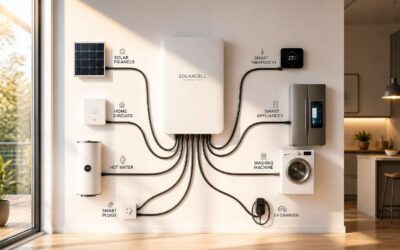
At its core, the system links solar panels, a battery bank, an inverter, and a backup generator that steps in when the sun dips. The solar energy charges the battery, and the generator fills the gaps during long nights.
Its virtues are simple, yet profound:
- Uninterrupted power for essential circuits
- Resilience during grid instability
- Optimized energy and longer investment life
For South Africa, such systems blend pragmatic engineering with a touch of enchantment, turning a fickle grid into a dependable partner.
Key benefits of hybrid solar storage
Power interruptions in South Africa are a familiar rhythm, not a rarity, and hybrid solar storage offers a poised counterpoint. The fusion of a solar battery and generator with a battery bank creates a steady cadence, turning outages into measured pauses while screens glow and essential circuits endure. Sunlight fuels daily life; after dusk, the generator steps in with quiet confidence, ensuring critical loads never miss a beat.
- Uninterrupted operation of essential circuits
- Improved resilience against grid fluctuations
- Extended battery life through smart charging cycles
- Reduced fuel usage and maintenance via efficient sequencing
Like a patient conductor, this arrangement choreographs sun, storage, and standby power into a single, reliable flow. In a country where grid instability can shadow households and businesses, hybrids translate uncertainty into dependable daytime and restful nights.
Common configurations and setups
Power reliability in South Africa is a daily negotiation, and hybrid systems act as the steady mediator. A solar battery and generator paired with a robust battery bank creates a cadence that turns outages into measured pauses, keeping essential circuits alive and screens glowing. Sunlight powers the day; after dusk, the generator steps in with quiet confidence, preserving critical loads and conversations around the table. “Power reliability isn’t a luxury—it’s the quiet backbone of modern life.”
Common configurations and setups center on intelligent control, scalable storage, and reliable transfer paths. Consider these archetypes:
- Hybrid inverter with integrated transfer switch and smart sequencing
- Independent battery bank paired with an auto-start generator
- Grid-tied system with a dedicated backup path for critical loads
These arrangements turn sun, storage, and standby power into a single, readable rhythm, even amid South Africa’s grid fluctuations.
Ideal use cases and scenarios
Last year, SA households endured an average of 5.5 hours without power each day. In this landscape, hybrid storage is more than backup—it’s a heartbeat. A solar battery and generator pairing, supported by a resilient battery bank, turns outages into measured pauses. Sunlight powers the day; after dusk, the generator steps in with quiet confidence, preserving essential loads and keeping screens alive.
Ideal use cases span homes, small businesses, and rural operations where the grid falters most.
- Residential backups for essentials—refrigeration, lighting, Wi‑Fi
- Business continuity for checkout lines and customer services
- Remote sites and healthcare facilities that cannot tolerate outages
Ultimately, this hybrid approach aligns with real life: it scales with demand, prioritizes critical loads, and keeps conversations going when the lights fade.
Solar Battery Technologies and Their Role in Backup Power
Understanding lithium-ion, LFP, and other chemistries
Globally, lithium-ion batteries account for over 90% of new residential storage, a statistic that resonates in South Africa where outages punctuate daily life. In a country where darkness can fall without warning, a solar battery and generator becomes more than hardware—it’s a quiet vow to keep doors lit, screens on, and families steady. From my experience with SA households, resilience begins with scale, not just speed.
Lithium-ion dominates for energy density and rapid charging, yet the family is not uniform. Lithium Iron Phosphate, or LFP, offers safer thermal behavior and longer cycle life in hot climates—perfect for SA summers. Other chemistries such as NMC/NCA and traditional lead-acid fill different roles depending on budget and space. Key distinctions include:
- Lithium-ion (including NMC/NCA) — high energy density and fast charging
- Lithium Iron Phosphate (LFP) — safer, cooler operation, longer life
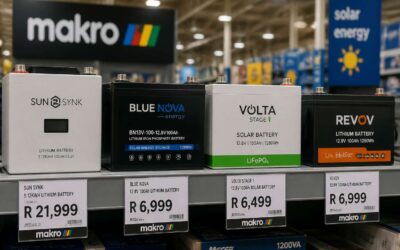
- Lead-acid variants — cost-effective upfront and easy to service
For a South African home, these choices fuse safety, longevity, and climate tolerance into a practical, soul-satisfying balance.
Lead-acid options and where they fit
In SA, outages punctuate daily life; a solar battery and generator becomes more than hardware—it’s a quiet vow to keep doors lit, screens on, and families steady.
Lead-acid variants—flooded, AGM, and gel—provide cost-effective upfront options and straightforward maintenance, making them a practical fit for space-conscious households.
- Flooded lead-acid: affordable upfront, but requires maintenance and venting
- AGM: sealed, low-maintenance, good for compact installations
- Gel: vibration-resistant, deep-cycle option for rough conditions
In SA, the choice hinges on balancing capacity, climate tolerance, and serviceability, letting homes stay lit during the long, hot summers.
Battery cycle life, depth of discharge, and warranties
In SA, outages have become a daily ritual, and a solar battery and generator is a lifeline you can count on when the lights waver. Modern solar storage quietly stores sun power, so screens stay bright and doors stay lit as the grid hiccups.
Sizing backup power isn’t mysterious: cycle life, depth of discharge, and warranties determine long-term reliability.
- Cycle life: thousands of cycles are common with modern chemistries—heat and usage push results.
- Depth of discharge: many systems tolerate 80–90% DoD with proper management.
- Warranties: typical spans run 5–15 years, often calendar years or cycle-based guarantees.
In warm SA climates, thermal management and local serviceability matter as much as chemistry. Pick a technology with a reputable warranty and a local support network—your calm, hot summers will thank you.
Best practices for sizing solar batteries
South Africa basks in sun, but the grid still stutters when the day ends. A dependable combination of solar battery and generator keeps the lights steady and the screens bright, turning outages into manageable hiccups!
Solar battery technologies now span from high-density lithium variants to robust, safety-first chemistries that thrive in warm climates. For backup power, the emphasis is on seamless integration, reliable thermal management, and accessible local support.
- Lithium iron phosphate (LFP) for longevity and safety
- High-energy-density chemistries for compact installs
- Strong service networks and warranties to match SA conditions
In practice, sizing decisions hinge on how the home uses electricity during an outage and how the solar battery and generator pairing slots into the rhythm of daily life—quietly sustaining essential moments without drama.
Storage efficiency and safety considerations
South Africa’s evenings bear the grid’s stutter, even as the day’s sun drapes rooftops in gold. “Storage is the hinge of resilience,” one veteran installer likes to say. A solar battery and generator pairing yields steady power and bright screens, turning outages into hiccups. Storage becomes a promise kept, not a gamble.
Solar battery technologies now span from high-density lithium variants to chemistries that thrive in warm climates. Lithium iron phosphate (LFP) stands out for longevity and safety, while high-energy-density chemistries enable compact installs. Service networks and warranties support SA conditions, with thermal management guarding against heat spikes.
Efficiency and safety hinge on how the system is commissioned and monitored. The right balance uses sun to fill the bank, then taps the generator during demand bursts, maintaining a rhythm across the day. That balance—solar battery and generator considerations, orchestrated with care—creates reliable rhythm. This equilibrium keeps moments bright and reliable.
Generator Integration with Solar Storage
Types of generators for hybrid systems
South Africa’s grid challenges have a way of turning a quiet evening into a test of resilience. Hybrid systems that blend solar battery and generator power offer warmth and light when the lights go out, delivering reliability with a touch of magic.
Generator integration with solar storage means choosing the right type for your hybrid setup.
- Diesel standby gensets for long outages
- Natural gas or propane units for cleaner, quieter operation
- Hybrid-integrated models that sync with inverters for seamless switching
From sizing to efficiency, these hybrids keep homes comfortable and businesses steady. In SA, local providers tailor systems that accommodate load shedding patterns, seasonal sun, and local regulations.
Automatic transfer switches and control strategies
In South Africa, a well-timed power moment can feel like a spell cast in daylight. A well-tuned system unites solar battery and generator in a single, graceful rhythm, guided by Automatic Transfer Switches that choreograph when the grid falters and when the sun returns. These switches prevent backfeed, surges, and stubborn startup delays, delivering reliability with calm precision through every load shed.
- Automatic transfer switches coordinate generator start and stop to prevent backfeed and ensure clean transitions.
- Smart control strategies prioritize critical loads, synchronize with inverters, and respect sun and fuel availability.
- Communication between inverters and genset controllers creates seamless switching with minimal downtime and noise.
South African installers tailor these systems to seasonal sun, regulatory nuance, and the rhythms of the grid, so your shelter stays bright and business stays steady even when the lights wobble.
Fuel considerations, emissions, and maintenance
In South Africa, where sunlight is plentiful and outages linger, the solar battery and generator duet acts as a steady conductor. When the grid falters, the two work in a graceful cadence, turning daylight into enduring light for homes and workshops—a quiet hymn of resilience.
Fuel considerations, emissions, and maintenance shape this hybrid. Diesel and petrol options exist, yet SA’s fuel volatility demands prudent planning. Emissions matter for local air quality; opt for clean, well-tuned engines and efficient exhaust. Maintenance cadence—oil changes and battery health checks—keeps the system resilient.
- Fuel availability and regional pricing in South Africa
- Emissions control and compliance with local standards
- Regular service, oil changes, and battery health monitoring
South African installers tailor configurations to seasonal sun and grid rhythms, so your space stays bright and business keeps pace when the lights wobble. The solar battery and generator ecosystem becomes a living partnership requiring steady care and regular attention, a duet that sings through the day’s shifting horizon.
Seamless switching and reliability improvements
Power should be a baseline, not a gamble. In South Africa, where the sun is a constant companion and outages linger, the solar battery and generator duo keeps lights on with quiet dignity. Seamless switching turns an outage into a pause, not a catastrophe, as smart controls align storage and generation in cadence. The result is steadiness when you need it most.
When these systems orchestrate together, the generator integration with solar storage delivers a fluid handoff; the transition from sun-driven storage to backup generation feels almost musical—predictable, reliable, and respectful of your daily rhythm.
- Seamless handoffs
- Smart load management
- Remote monitoring
Installed by SA experts, configurations tailor to seasonal sun and grid rhythms, keeping spaces bright and businesses steady as the horizon shifts. The solar battery and generator partnership becomes a living rhythm for a country where every watt matters.
Cost vs performance analysis
Power isn’t a gamble; in South Africa outages are a daily backdrop. South Africa logged roughly 1,000 hours of outages in recent years, turning the question of power into a cost-of-quiet calculation. The idea of a solar battery and generator pairing becomes a practical calculus, balancing upfront capital against long-term reliability, quiet operation, and a daily rhythm that respects your time.
When weighing options, treat the numbers as a dialogue between upfront cost and ongoing savings. The cost vs performance analysis hinges on outages, maintenance, and the footprint you’re willing to accept.
- Upfront investment vs lifecycle savings
- Reliability during outages and restoration speed
- Maintenance, fuel flexibility, and emissions
Installed by SA experts, configurations align with seasonal sun and grid rhythms, keeping spaces bright and operations steady as the horizon shifts. The result is a measured cadence of power that respects daily life and South Africa’s unique energy landscape.
Sizing and Design for Home and Off-Grid Setups
Load assessment and energy auditing
Size matters when you design a home energy system! A precise sizing plan turns outages into manageable power and saves money. For both homes and off-grid setups, load assessment and energy auditing guide every choice—storage capacity, inverter size, and the run time you can expect from a solar battery and generator.
Start by profiling daily use and pinpointing critical loads. Then translate findings into a design that matches real-world needs.
- Essential loads
- Peak demand
- Backup hours
South Africa-specific realities shape every choice. A well-sized system delivers resilient power, lower emissions, and steady performance when the grid falters. I’ve seen how precise planning makes outages manageable and costs predictable.
Determining solar array size and battery capacity
Power outages in South Africa are a recurring shadow, a weather pattern that steals evenings and rewrites budgets. In this landscape, sizing isn’t a luxury but a lifeline—an arc of resilience that turns doom into a lamp-lit canticle and steady comfort!
Begin by profiling daily use and pinpointing critical loads. Translate those findings into a design that matches real-world needs: how large a solar array, how much storage, and what run-time the system should sustain. A well-balanced solar battery and generator pairing emerges from the shadows, ready to light the house when the grid yawns.
South African realities—sunny days, high fuel costs, and frantic grid volatility—shape every clause of the plan. The goal is quieter nights, lower emissions, and predictable performance when the grid falters.
Generator sizing, run-time, and runtime autonomy
In South Africa, outages carve quiet rooms into shadows, and resilience is measured in seconds of light. A well-tuned solar battery and generator pairing translates disruption into routine, turning uncertain evenings into a lamp-lit certainty.
Sizing and design for home and off-grid setups hinge on runtime autonomy and how long essential loads must endure without the grid. The balance favors a storage reserve that renews reliably and a generator that steps in with discipline when sun wanes.
- Run-time targets for critical circuits (lighting, refrigeration, communications) under fault conditions.
- Generator duty cycle aligned with solar charging windows to maximize efficiency.
- Redundancy margins that preserve autonomy during extended outages.
- Fuel availability and emissions considerations to sustain quiet nights.
South Africa’s sun abundance meets volatile grid realities when a system is designed with forethought rather than reaction, producing a home where the solar battery and generator collaborate like a quiet chorus, delivering predictable performance when the grid yawns.
Hybrid system configuration examples
“Light is life during outages,” a refrain heard across SA as the grid falters. South Africa’s grid realities demand sizing and design for home and off-grid setups that hinge on runtime autonomy and predictable light. A quiet calculus emerges: storage that renews reliably, and a solar battery and generator that meet the grid’s yawns with disciplined, silent efficiency.
- Urban rooftop setup: a compact PV array, a sealed battery bank, transfer switch, and a small, quiet diesel or hybrid generator that kicks in during cloudless evenings.
- Off-grid retreat: a larger battery reserve paired with a smart inverter and weather-ready backup generator; hybridization with demand-managed loads preserves autonomy during long outages.
These hybrid configurations illustrate how to tailor to lifestyle, load, and the sun’s arc, turning SA’s abundance into steadiness.
Permits, rebates, and standards
Outages rewrite the rules of home comfort, and in South Africa sizing and design hinge on permits, rebates, and standards that vary by municipality. From my experience, permits and rebates shape every watt—and a careful plan that threads safety with autonomy saves stress when the grid yawns! A solar battery and generator installation must meet electrical codes and align with local rules so the system can switch smoothly when the sun hides!
- Permitting steps: electrical, structural, and connection approvals
- Rebates and incentives: municipal, provincial, and utility programs
- Standards and safety: compliance with local codes and national/international safety norms
With these guardrails, a home or off-grid setup can deliver quiet reliability without inflating the budget.
Installation, Safety, and Maintenance
Installation best practices and code compliance
Installation should follow SANS 10142-1 and local electrical bylaws. Position the solar battery and generator on a solid, non-flammable base, sheltered from moisture, with robust cabling, conduit protection, and a compatible transfer switch.
- Keep the unit in a ventilated, dry location
- Use weatherproof enclosures and proper cable sizing
- Install an appropriate transfer switch and overcurrent protection
Safety matters! Protect technicians with PPE, avoid touching live terminals, never backfeed the home; ensure CO detectors near the generator; maintain clearances; schedule professional inspection.
Maintenance means routine checks, clean terminals, inspect for corrosion, test alarms, and verify venting. Keep manuals accessible and document service visits for compliance.
Thermal management and battery safety
Installation is the quiet backbone of reliability. This solar battery and generator pairing demands careful placement: on a solid, non-flammable base, sheltered from moisture, with robust cabling, conduit protection, and a compatible transfer switch. Keep the unit in a ventilated, dry location, use weatherproof enclosures and properly sized cables, and install an appropriate transfer switch with overcurrent protection, in line with SANS 10142-1 and local bylaws.
Safety matters! Protect technicians with PPE, avoid touching live terminals, never backfeed the home; ensure CO detectors near the generator; maintain clearances; schedule professional inspection.
- Wear PPE and insulated tools
- Avoid touching live terminals
- Place CO detectors near the generator and test them
Maintenance keeps the heart of the system beating. Focus on thermal management and battery safety: schedule routine checks, clean terminals, inspect for corrosion, test alarms, verify venting, keep manuals accessible, and document service visits for compliance across South Africa.
Generator safety and exhaust considerations
Installation is the quiet backbone of reliability. For a solar battery and generator pairing, place the unit on a solid, non-flammable base, sheltered from moisture, with robust cabling and a compliant transfer switch. Keep it in a ventilated, dry spot with weatherproof enclosures and properly sized cables, aligned with SANS 10142-1 and local bylaws. It should feel like a fixture, not an afterthought, ready to power moments of grid drama with quiet competence.
Safety matters! Schedule professional inspection, ensure CO detectors near the generator, keep clearances, and never backfeed the home.
- PPE and insulated tools
- Avoid touching live terminals
- Maintain CO detectors near the generator and test them
Maintenance keeps the heart of the system beating. Focus on exhaust considerations, venting, and battery safety: schedule routine checks, clean terminals, inspect for corrosion, test alarms, verify venting, keep manuals accessible, and document service visits for compliance across South Africa.
Maintenance schedules and predictive care
Installation for a solar battery and generator pairing begins with a quiet, steadfast footprint. Place the unit on a solid, non-flammable base, sheltered from moisture, with robust cabling and a compliant transfer switch. Weatherproof enclosures and properly sized cables keep the system aligned with SANS 10142-1 and local bylaws; it should feel like a fixture, ready to power moments of grid drama with quiet competence.
Safety matters. Schedule professional inspection, ensure CO detectors near the generator, keep clearances, and never backfeed the home. PPE and insulated tools, avoid touching live terminals, and maintain detectors.
Maintenance for the system blends routine checks with predictive care, guided by maintenance schedules that suit South Africa’s climate. Keep manuals accessible, document service visits, and monitor venting and battery integrity; the hum of a well-tended solar battery and generator is the quiet heartbeat of resilience.
Troubleshooting common issues
Installation for a solar battery and generator hybrid begins with a quiet, steadfast footprint. Place the unit on a solid, nonflammable base, sheltered from moisture, with robust cabling and a compliant transfer switch. Weatherproof enclosures and properly sized cables keep the system aligned with SANS 10142-1 and local bylaws, a sentinel ready to power moments of grid drama with quiet competence.
Safety matters. Schedule professional inspection, ensure CO detectors near the generator, keep clearances, and never backfeed the home. PPE and insulated tools, avoid touching live terminals, and maintain detectors.
- Inadequate charging or erratic state of charge
- Ventilation blockages or overheating signals
- Transfer switch hesitation or backfeed symptoms
Environmental impact and recycling
“Power is a promise you keep,” and a solar battery and generator setup honours it! Installation starts with a solid, nonflammable base, sheltered from moisture. Use robust cabling and a compliant transfer switch, with weatherproof enclosures and properly sized cables kept in line with local standards.
Safety matters. Schedule professional inspection, install CO detectors near the generator, maintain clearances, and never backfeed the home. Wear PPE and insulated tools; avoid touching live terminals, and keep detectors tested.
Maintenance, environmental impact and recycling. Regular checks boost efficiency and curb waste. When batteries reach end of life, recycle through certified programs that serve South Africa’s e-waste networks.
- Certified recyclers
- End-of-life processing
- Compliance documentation
0 Comments