
Understanding solar powered battery generators
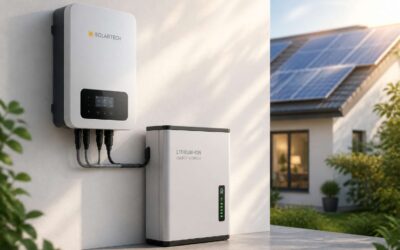
What is a solar powered battery generator and how it works
Power interruptions have become the stubborn backdrop of life in South Africa, reshaping how households plan daily routines! A solar battery generator stores daylight energy so you can run essentials after sunset, keeping radios, lights, and devices going when the grid falters.
- How it works: solar panels charge the internal battery during sunny hours
- Energy conversion: an inverter turns stored DC into usable AC power
- Reliability: a battery management system protects cells and extends lifespan
These units charge during the day and quietly hum through the night, offering predictable backup and potential cost savings on outages.
They pair with existing solar arrays and can scale as needs grow.
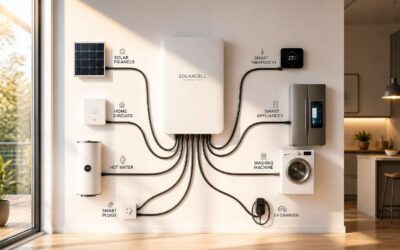
Key components and how they interact
Power interruptions shape the rhythm of life in South Africa, yet a solar battery generator can feel like a harbor of dependable energy. I’ve seen how understanding the key components and how they interact reveals why these systems deliver quiet, steadfast power from the day’s last sunbeam.
- Battery pack and cells
- Inverter for AC transformation
- Charge controller to steer sun-kissed current
- Battery management system for longevity
During bright hours, panels feed the charge controller, guiding energy into the battery pack while the BMS watches every cell; as night falls, the inverter conjures usable AC, preserving radios, lights, and devices with serene reliability.
Benefits and typical use cases
Across South Africa, power outages can redraw the day in an instant, with evenings stretching into silence as load-shedding stretches up to six hours. A solar battery generator offers quiet resilience, a harbor of dependable energy that returns the rhythm to life after sunset.
Benefits arrive as a gentle current: simple maintenance, long-lasting cells, and a footprint kinder to both wallet and planet.
- Uninterrupted power for lights, radios, and essential devices
- Portability for remote sites, farms, or workshops
- Clean energy backup that reduces fuel costs and emissions
From homes to rural farms during load shedding, typical use cases span charging phones and routers, stabilizing refrigeration, and powering essential tools in off-grid spaces, all while leaving room for a moment of calm and clarity.
Common misconceptions and myths
Across South Africa, evenings can be rewritten by load-shedding—up to six hours of silence that unsettles the day. A solar battery generator offers a harbor of dependable energy, a quiet ember that restores our rhythm after sunset and lets life carry on with grace.
Common misconceptions drift like clouds. Some insist it is fragile, weather-dependent, and useless on overcast days. Let’s untangle the myths with clarity!
- It only works when the sun shines.
- It cannot run essential appliances like fridges or routers.
- It is bulky, expensive, and noisy.
In reality, modern packs harvest dim daylight, delivering steady current for critical devices, and require little maintenance—an elegant blend of resilience and quiet power suited to South African conditions.
Understanding the truths reveals a patient, enduring partner in energy independence rather than a flashy gadget.
When to choose this option over traditional generators
In South Africa’s energy landscape, the solar battery generator stands as a quiet anchor when lights fade. It harvests daylight and returns it as a steady current, a glow that travels through refrigerators and routines, outlasting outages with a restrained, dignified grace.
When to lean into it over a traditional generator emerges from rhythm as much as need. Contexts that favor this option include:
- Reliability during load-shedding
- Quiet operation in living or working spaces
- Lower ongoing maintenance and fuel costs
Ultimately, this powerhouse offers a measured, enduring partnership, a way to keep essential devices alive while the grid learns to breathe again.
Core terminology and glossary
Power outages are South Africa’s rogue theatre; the curtain never truly falls. In a recent survey, households report enduring several hours of load-shedding weekly, prompting more people to invest in resilience with a solar battery generator. I’ve learned to trust this quiet actor; it stores daylight and returns it as usable energy, keeping essentials alight without the petrol sizzle of a traditional generator.
Core terminology is the compass here. Think inverter, battery bank, MPPT, BMS, and usable capacity. These terms define how smoothly power flows from sun to socket.
- Inverter: converts DC to AC for home devices
- Battery Bank: the storage stack
- MPPT: maximizes harvest under changing sun
- Usable capacity: what’s actually available
With this glossary, readers gain confidence in choosing the right kit for South African homes, where every watt matters and culture values quiet efficiency.
A well-chosen solar battery generator aligns with South Africa’s sunlit days and busy evenings.
Types and models of solar powered battery generators
Standalone vs hybrid configurations
As one industry voice reminds us, “Reliability isn’t a luxury—it’s a utility.” The solar battery generator landscape now spans compact, portable packs to expansive, intelligent systems. Standalone units store energy and feed loads from the sun, while hybrid configurations blend solar with grid power or a generator to extend runtime on cloudy days.
Types and models include:
- Portable solar battery generator with built-in inverter
- Modular expandable systems that scale with demand
- All-in-one inverter-charger units for simple, tidy setups
- Hybrid configurations with switchable grid or generator input
The choice hinges on access to grid power and tolerance for interruptions. For South Africa’s varied outages, a solar battery generator offers a measured balance between independence and practicality, letting you select the right level of resilience for your needs.
Battery chemistries and performance
Reliability isn’t a luxury—it’s a utility. In South Africa, where outages can warp daily life, a solar battery generator turns daylight into steady power and quiet confidence.
Types and models span compact, portable packs to modular behemoths. Here are archetypes you’ll encounter:
- Portable solar battery generator with built-in inverter
- Modular expandable systems that scale with demand
- All-in-one inverter-charger units for tidy, simple setups
- Hybrid configurations with switchable grid or generator input
Battery chemistries and performance shape every unit. Lithium iron phosphate (LFP) and NMC chemistry offer longer life and safer cycling, while high-rate Li-ion variants deliver quicker recharges.
For the solar battery generator, expect depth of discharge, cycle life, and ambient temperature tolerance to guide reliability. In SA’s climate, robust thermal management preserves capacity, ensuring you feel the sun’s rhythm even when clouds gather.
Portability and design options
Outages aren’t a mere inconvenience here; they redraw schedules and wallets. A solar battery generator turns daylight into steady power and quiet confidence, a lifeline when load shedding shadows daily life. Designs span from pocket-sized packs to modular behemoths, each engineered for reliability under our sun-warmed skies.
- Portable solar battery generator with built-in inverter
- Modular expandable systems that scale with demand
- All-in-one inverter-charger units for tidy, simple setups
- Hybrid configurations with switchable grid or generator input
Beyond the shape, designers tune capacity, inverter size, and expansion paths to suit South African homes and businesses. In practice, that means nimble, portable options for days of errands and larger, modular configurations for workshops and remote sites. Robust thermal management and ambient temperature tolerance keep performance steady as the sun skews bright and clouds drift in.
Output ratings and real world runtimes
Across South Africa’s sun-washed mornings, the spectrum of solar battery generator choices reads like a promise kept. ‘Power is memory you can carry,’ a homeowner once told me. From pocket-friendly packs to workshop-ready systems, each model carries a different heartbeat: capacity, inverter size, and the quiet certainty of reliable power when it’s needed most—it’s the daily relief I witness everywhere!
To anchor your search, here are the core specs that translate into daily performance:
- Output ratings: 300W, 600W, 1000W, 2000W
- Capacity: 300Wh–3000Wh
- Real-world runtime: at 100–250W loads, 2–8 hours; higher draws shorten time
- Inverter type: pure sine wave and charger-expansion options
Ultimately, the right choice follows your daily rhythm—what you keep powered and for how long—embodied in a unit that travels as gracefully as the daylight itself.
Durability, warranty, and service
Power outages in South Africa have surged 60% this year, and a portable solar battery generator becomes a quiet lifeline. Types and models range from pocket-sized units to workshop-ready power hubs, each tuned to a different heartbeat of use. It isn’t one-size-fits-all; choose based on portability, inverter size, and expandable capacity.
Durability in every chassis matters. Look for rugged enclosures, high-temperature rated cells, and tested cycle counts that stand up to long, sunny days. That quiet strength translates into years of loyal service.
- Compact travel models with built-in handles and durable, UV-resistant housings
- Mid-range systems with expandable batteries for weekend projects
- Large workshop units featuring pure sine wave inverters and multiple outlets
Warranty and service: Durability isn’t just hardware—it’s the promise of support. Brands typically offer 12–24 months, with separate terms for the battery pack; in South Africa, a robust local service network can keep downtime minimal.
Solar panel compatibility and expandability
Power outages climbed 60% this year in South Africa, turning a portable solar battery generator into a lifeline for homes and small businesses. When choosing, the focus shifts from raw capacity to how well the panel system plays with your setup. Types and models span compact travel units to expansive workshop hubs; the right pick matches your energy rhythm and expandability goals.
Solar panel compatibility and expandability are the quiet gears behind reliable power. Look for MPPT regulation, standardized input voltages, and the ability to add battery modules or external panels.
- Expandable battery packs via daisy-chain connections
- Interchangeable panels with common voltages (12V, 24V)
- MPPT-enabled controllers for efficient charging in sun
In South Africa, a solar battery generator with solid panel compatibility and expandability is a quiet savior when the grid falters.
Practical uses and value propositions
Home backup and emergency readiness
In a country where outages ripple through daily life, the solar battery generator offers a quiet, reliable counterpoint to the grid—and storage markets are rising in double digits, signaling stronger resilience. For South African homes, it’s more than power; it’s peace of mind. Neighbors sleep easier when lights stay on and a fridge stays steady as night falls.
Practical uses and value lie in a few core areas.
- Refrigeration and basic kitchen needs to prevent spoilage
- Lighting, fans, and climate comfort for safer evenings
- Device charging for work, information access, and emergency communications
Beyond convenience, this system embodies a broader ethos—self-reliance, predictable energy costs, and sustainable living. In South Africa’s energy landscape, it reshapes home backup and emergency readiness, offering a reliable pulse of power when the grid falters and the sun hides.
Outdoor adventures and recreational use
Across South Africa’s wild corners, a solar battery generator has become a trusted compass for off-grid moments. Adventurers report a 42% uptick in portable power use, trading noisy engines for quiet daylight and a fridge that keeps perishables safe as night falls.
Outdoor uses and value lie in keeping essentials humming on trails, dunes, and riverbanks.
- Camping under starlit skies with reliable lighting
- Remote photography and videography without battery anxiety
- Boat, caravan, or festival setups with steady device charging
Compact, durable, and whisper-quiet, it invites you to roam farther and stay powered by the sun’s generosity!
Off-grid living and remote worksites
Power is a lifeline in South Africa’s wind-swept outposts, where ceremonies of dusk meet sparking expectations for tomorrow. The solar battery generator becomes a quiet anchor, delivering reliable energy when the grid is out of reach. For off-grid living and remote worksites, it scales from a nightlight to a full-energy hub, keeping fridges cold, drills ready, and devices charged as the sun sinks.
Here are practical edges that matter on SA sites:
- Portable setup for tiny huts, remote camps, or caravans
- Steady lighting and charging through long shifts without fuel noise
- Compatibility with supplementary panels for expanding capacity at a lower cost
Durability and service, designed to survive dust and heat in our climate, make it a trusted companion for farmers, builders, and field crews. A solar battery generator travels with you, powering the day and quieting the night.
Event power and temporary setups
Across South Africa, power reliability can make or break an outdoor event. Four in ten gatherings report grid hiccups, turning planning into improvisation. A solar battery generator offers a quiet, dependable backbone—clean energy without noise or fumes, ready the moment the sun dips.
Practical uses and value come quickly on site. It powers event lighting, camera teams, and pop-up stalls; it keeps crew phones charged and can run small fridges for beverages.
- Portable lighting for stages and walkways
- Sound gear and charging stations
- On-site cooling for refreshments
It scales with supplementary panels, delivering more capacity at a lower cost.
Built for dust, heat, and frequent transport across SA venues, the unit proves dependable on a farmer’s field or seaside festival. Its service network and warranty turn downtime into confidence, keeping nights bright and schedules intact.
Charging strategy and energy management
South Africa runs on the edge—one power hiccup can derail a show. A solar battery generator provides a quiet, dependable backbone, keeping stage lighting lively, cameras rolling, and drinks cool even when the grid wobbles. It’s practical on-the-ground reliability for pop-up stalls, crew phones, and small fridges, so nights stay bright and schedules stay intact.
Charging strategy centers on smart energy management. Solar input is prioritised during the day to top up essential loads, while a reserve buffer kicks in as evening falls. A simple load schedule ensures critical gear—lighting, comms, and refrigeration—takes precedence, with non-essentials parked until demand drops.
Cost savings and environmental impact
“Power reliability is a luxury most events can’t afford.” In SA, outages hit peak moments, yet a solar battery generator acts as a quiet, dependable backbone. It powers stage lighting, crew phones, and small fridges without noise or fumes, keeping schedules intact even when the grid wobbles. Lightweight, fast to deploy, and ready for on-site shifts, it turns power gaps into seamless, professional performances.
Cost savings and environmental impact reveal themselves quickly. Fewer diesel runs cut fuel spend and maintenance headaches, while emissions fade in the background of a busy site. The lifecycle advantage translates into stronger margins and a calmer footprint on the community.
- Reduces fuel costs and maintenance needs
- Minimizes emissions and on-site noise
- Protects gear with stable, clean power
Ultimately, the solar battery generator is a strategic asset, offering reliability with conscience.
Buying guide and comparisons
Evaluating capacity runtimes and peak watts
Buying a solar battery generator isn’t just about price—it’s about matching capacity to your routines and your moments of need. In practical terms, assess how many hours you’ll run essential devices on a typical day, how much surge power you require, and how quickly you can recharge from sun or wall outlets. A solar battery generator offers clean, silent power, but matching capacity to demand is essential; otherwise you’ll be hunting for outlets rather than peace of mind!
To compare options clearly, focus on three anchors: capacity, runtimes, and peak watts. The following checkpoints help you steer toward the right choice:
- Capacity (Wh): expected runtime at typical load plus a safe margin.
- Runtimes and peak watts: continuous power versus surge capability.
- Charging flexibility: solar, AC, and car charging options.
In South Africa, plan around sun hours and outages.
Charging options and solar input
Buying a solar battery generator isn’t just about price—it’s about tuning capacity to your routines and moments of need. In South Africa, outages and sunny days collide, so capacity translates into hours of essential power with a safety margin. A solar battery generator delivers quiet, clean energy when you need it most.
Charging options and solar input shape performance.
- Solar input: panel compatibility and real sun hours.
- AC charging: quick top-ups from wall outlets.
- Car charging: 12V/24V options for on-road power.
In practice, recharging balance matters: can solar back up quickly while grid power is scarce? Look for expandability possibilities and steady solar input that suits SA sun hours.
Battery life warranty and maintenance
Buying a solar battery generator in South Africa isn’t just about the sticker price; it’s a pact with your routine. In a landscape of outages and abundant sun, you want battery life that lasts, a solid warranty, and maintenance that stays simple. Compare capacity, cycle life, and real-world runtimes, then weigh how each model handles daily recharges and heat.
- Battery life and cycle rating — long-term capacity
- Warranty terms — duration and SA service
- Maintenance and service — local parts access
- Expansion potential — modular packs for future needs
Understanding the fine print helps you avoid surprises when the grid falters; look for clear performance data, a robust monitoring app, and local support.
In short, a well-chosen unit blends durability, serviceability, and realistic projections for SA sun hours.
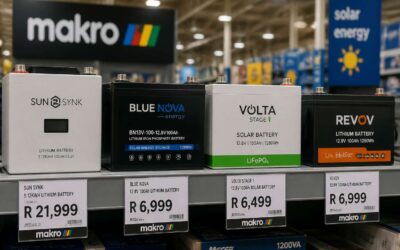
Brand comparisons and reliability signals
Outages are South Africa’s daily backdrop, and a solar battery generator becomes not a gadget but a lifeboat. When buying, compare capacity, cycle life, and real-world runtimes to see how each model handles daily recharges and heat in SA sun.
Reliability signals worth weighing:
- Clear performance data and SA service coverage
- Robust monitoring app with remote check-ins
- Ready access to local parts and service networks
- Modular expansion options for future needs
In short, a well-chosen unit blends durability, serviceability, and realistic projections for SA sun hours, keeping you powered when the grid stumbles.
Total cost of ownership and financing options
Across SA, outages are a daily rhythm, not a rarity. A solar battery generator is more lifeboat than gadget, built to endure relentless sun and frequent recharges. When buying, balance capacity, cycle life, and real-world runtimes, then translate those specs into a practical, long-term cost view for your home. Your solar battery generator should feel like a shield against the outage storm.
Total cost of ownership goes beyond sticker price. Maintenance, warranty, and serviceability shape the true value of the solar battery generator.
- Cash upfront with discount
- Bank or retailer financing
- Lease or pay-as-you-go PPA
These options ease the transition and reflect ongoing energy costs. In SA, service networks and warranties matter as much as performance data. The right unit pairs rugged hardware with local support, letting you ride through outages with confidence. A well-chosen solar battery generator becomes daily certainty.
Tips to maximize efficiency and maximize storage
Buying a solar battery generator isn’t just about price—it’s about aligning capacity with your daily rhythm under SA outages. When you size it, weigh usable capacity, cycle life, and expected runtimes, then translate those specs into a practical, long-term cost picture for your home.
For comparisons, focus on efficiency and compatibility: inverter efficiency, solar input, and expandability.
- Choose higher round-trip efficiency to reduce drain.
- Prioritize models with smart energy management and clear status indicators.
- Consider modular kits or expandability to grow storage as needs change.
Maintenance and service networks matter; pick a model with reputable warranty and local support to ensure it stays reliable through storms.
0 Comments