
Fundamental Concepts: Solar Storage vs Conventional Batteries
What is a solar battery?
In South Africa’s energy landscape, resilience isn’t optional—it’s essential. A well-tuned storage system turns outages into manageable moments, converting sunlight into reliable power. This piece contrasts solar battery vs normal battery and explains why storage matters when the grid falters.
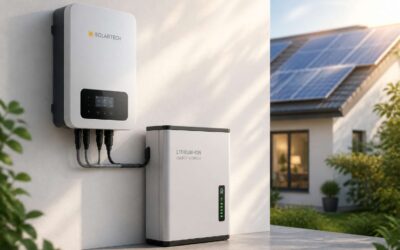
A solar battery stores energy collected by panels and releases it when sun fades or lines go dark. It pairs with a solar system to smooth spikes, protect essentials during load shedding, and reduce dependence on municipal supply.
Key contrasts to note include energy source, cycle depth, and total cost of ownership.
- Source of energy: solar-generated vs grid-charged.
- Discharge cycles: deeper, longer-lasting with solar storage.
- Upfront vs lifetime cost: higher initial investment, long-term savings.
How solar charging integrates with storage
South Africa enjoys roughly 2,500 hours of sunshine each year—plenty of daylight energy to bank for cloudy days. I like to think of solar storage as daylight in a can, turned into reliable power after the sun goes down.
Solar charging feeds a battery bank whenever panels sprint to life, smoothing peaks and letting you run essentials when the grid yawns. This is the practical distinction when comparing solar battery vs normal battery.
- Source of energy shifts from grid to sun
- Longer, deeper discharge cycles aligned with daylight
- Higher upfront cost with long-term savings
That blend of reliability and wit makes solar storage feel less like a gadget and more like daylight insurance—without the melodrama. I’m all about waking to quiet circuits instead of the rattle of outages.
Key differences between solar storage and conventional batteries
South Africa enjoys roughly 2,500 hours of sunshine each year, a steady ledger of daylight ready to be banked. In discussions about energy systems, the phrase solar battery vs normal battery often comes up, but the contrast is practical: storage converts daylight into reliable power, not just a charged cell. It’s daylight energy you can count on after the sun sets.
Solar storage shaves peaks, smoothing demand and letting essentials run when the grid derails. A conventional battery backs up outages, yet solar storage models daylight as a daily rhythm—charging when sun is abundant and releasing power when it’s most needed. The result is a more predictable energy footprint!
- Source of energy and consistency
- Discharge cycles aligned with daylight
- Cost trajectory: upfront vs long-term savings
In South Africa, this is more than technology—it’s daylight resilience you can trust every day!
Core technologies in solar storage systems
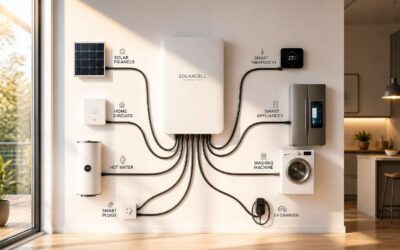
South Africa basks in roughly 2,500 hours of sunshine each year, turning daylight into a steady asset. Fundamental concepts in solar storage hinge on three core technologies that translate photons into reliable power: capture, conversion, and intelligent control. Photovoltaic arrays harvest energy, MPPT-enabled controllers optimize intake, and inverters translate DC to usable AC while safeguarding the system. Power meets daylight!
Within solar storage systems, core tech is not abstract—it’s tangible hardware and software shaping outcomes. Consider these pillars:
- Battery modules with a robust Battery Management System (BMS) for safety and longevity
- Chemistries like lithium-based cells versus traditional lead-acid
- Hybrid or standalone inverters with smart energy management and protection
In practice, these technologies turn daylight into a predictable rhythm, and that is where solar battery vs normal battery matters—it’s how daybreak becomes dependable power for homes and businesses alike.
Efficiency and Performance: Battery Chemistry and Output
Chemistry types and their impact on performance
Power reliability is the new luxury, a South African energy strategist notes, and chemistry decides how long that luxury lasts. When comparing solar battery vs normal battery, efficiency hinges on how cells store energy and release it under load. The right chemistry smooths peaks, reduces losses, and sustains performance through heat and grid interruptions.
Consider the main chemistry choices that shape output:
- Lead-acid: affordable and robust, but shorter cycle life.
- Lithium iron phosphate (LFP): safer, longer life, steady voltage.
- NMC: high energy density with more complex thermal needs.
Output characteristics—voltage stability, charging speed, and thermal behavior—drive how well storage supports a solar system in real life. In South Africa’s climate, the delta between solar battery vs normal battery often hinges on how well the chemistry tolerates heat, cycles, and rapid demand shifts; resilience follows those answers.
Discharge cycles and lifespan
Efficiency and performance hinge on how cells store energy and release it under load. In South Africa’s sun-soaked climate, the choice between a solar battery vs normal battery shows up as cycles and lifespan rather than outright capacity alone. Lead-acid keeps costs down but steps down faster; LFP offers safer, longer life with steadier voltage; NMC packs more energy, demanding careful heat management. A battery that holds its shape under heat and rapid surges stops the drama of outages and grid interruptions.
- Cycle life and depth of discharge shape total cost
- Thermal tolerance boosts safety in heat
- Output stability during rapid demand shifts
In practice, discharge cycles and lifespan translate into reliability. Fewer full state-of-charge swings mean steadier power during afternoon spikes and fewer maintenance surprises. Across towns and farms, the right chemistry keeps the lights on when heat presses the panels and the grid wobbles.
Depth of discharge and efficiency variations
Sunlight in South Africa isn’t just a resource; it’s a test of resilience. Efficiency hinges on how cells store energy and how depth of discharge operates under load. Lead-acid keeps costs down but saps performance; LFP offers safer, longer life with stable voltage; NMC packs more energy but needs careful thermal management. This is where solar battery vs normal battery becomes a question of chemistry and context, not mere capacity.
- Output stability under rapid demand shifts
- Thermal tolerance shaping safety and longevity
- Depth of discharge patterns and overall efficiency
Discharge cycles translate into practical reliability: fewer full swings mean steadier afternoon power and fewer maintenance surprises. The right chemistry aligns with local weather, panel curves, and grid irregularities, turning heat and cloud into a manageable rhythm. The solar battery vs normal battery debate, in practice, narrows to performance under heat and load.
Temperature effects on performance
South Africa’s skies pour power into every rooftop, with peak sun hours often hovering around 5 to 6 per day. In this bright theater, efficiency is a dance of energy storage and how load presses on it. The question of solar battery vs normal battery becomes one of resilience and context, not just capacity.
Output temperature shapes every watt: heat can nudge capacity and voltage stability downward, while cooler air steadies cycles but may momentarily mute heavy starts. The secret is thermal management and temperature-aware charging that honours local climate. To keep performance steady, consider these levers:
- Thermal regulation that keeps cells within a safe band
- Temperature-compensated charging to curb overheat
- Derating during hot spells to preserve life
Under the South African sun, a well-tuned system turns heat and cloud into a rhythmic, reliable heartbeat rather than a roller-coaster of swings.
Solar integration considerations for efficiency
South Africa basks in five to six peak sun hours a day—enough to turn a tidy solar setup into a daily savings account. When you compare the solar battery vs normal battery, the winner isn’t just size, but how efficiently chemistry translates photons into usable power. Lithium iron phosphate, gel, or flooded options each sing a different tune under load, affecting how steady your afternoon ramp stays and how many cycles you actually harvest.
- Internal resistance and voltage stability under varying loads
- Temperature tolerance and charge acceptance
- Self-discharge and long-cycle resilience
To skew less toward waste and more toward watt, consider the levers that matter: chemistry choice, how the pack handles partial charges, and how a system manages heat during a scorchingly sunny spell—no drama, just data.
Pair the storage chemistry with your PV and inverter—proper MPPT, inverter efficiency, and a healthy voltage window—and the sun’s footprint becomes a steady heartbeat rather than a zigzag. This is why the solar battery vs normal battery decision sticks around long after the installer has left the rooftop.
Cost, Value, and Return on Investment
Initial cost and installation considerations
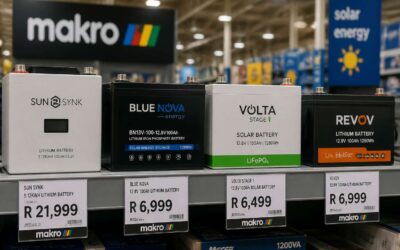
Cost drives early conversations about solar battery vs normal battery. The upfront price depends on capacity, brand, and how the install is wired. In South Africa, local installation rates and subsidies can tilt the math, making long-term energy resilience more affordable than it appears.
Value comes not just from dollars saved but from reliability and control. A solar battery vs normal battery choice shapes how smoothly a home runs during outages, how quietly it charges, and how future-proof the system feels to curious homeowners.
Return on investment hinges on installation considerations and ongoing maintenance. A well-planned setup can shorten payback periods, even amid volatile electricity. Key factors include system sizing, permitting, and inverter compatibility.
- System sizing aligned with consumption and discharge needs
- Permitting, grid interconnection, and local codes
- Inverter compatibility and warranty terms
Ongoing maintenance costs and downtime
Across South Africa, reliability has become a key luxury. A recent survey finds 57% of homeowners value uptime over the lowest price. The debate over solar battery vs normal battery isn’t only about upfront cost; it’s about resilience, quiet charging, and long-term peace of mind. The initial price depends on capacity, brand, and how the system is wired, but steady power has its own value.
Value emerges in reliability and control. When you weigh solar battery vs normal battery, the reward is fewer outages and steadier charging. Consider these facets:
- Reduced downtime during load shedding
- Longer warranty coverage and predictable maintenance
- Lower peak-tariff energy costs through smarter charging
Return on investment hinges on ongoing maintenance costs and downtime. A well-sized, well-warrantied system can shorten payback as electricity prices rise. The ROI rests on maintenance discipline, warranty terms, and the comfort of interruptions kept at bay.
Lifespan, replacement, and warranty terms
In South Africa, 57% of homeowners value uptime over the lowest price, and that calculus reshapes the solar battery vs normal battery decision. Upfront costs vary by capacity, brand, and wiring, but the payoff comes in resilience, quieter charging, and steadier power when the lights go dim.
Value arises from reliability and control. Compared with a conventional approach, the solar option reduces outages and smooths charging; smarter charging trims peak tariffs, and longer-term maintenance becomes predictable, which makes the home feel a touch less precarious during load shedding.
ROI depends on maintenance discipline and the warranty framework. A well-sized, properly backed system shortens payback as electricity prices rise, while thoughtful replacement planning preserves value long into the future.
- Warranty length and coverage (parts and labour)
- Transferability and service terms
- Expected lifespan and maintenance requirements
Incentives, rebates, and financing options
In South Africa, 57% of homeowners value uptime over the lowest price, and that calculus reshapes the solar battery vs normal battery decision. The real payoff is resilience, quieter charging, and steadier power when the lights go dim.
Upfront costs vary by capacity, brand, and wiring, but the payoff comes with incentives that narrow the gap. A mix of rebates and financing options—banks, solar financiers, and home-loan top-ups—softens the initial hit.
- Government rebates and utility incentives
- Tax allowances or depreciation where available
- Flexible payment plans from installers and financiers
ROI strengthens as tariffs rise and maintenance stays predictable, turning the equation into a shield against price shocks.
Total cost of ownership over time
Uptime pays. In South Africa, 57% of homeowners value reliability over the lowest price, and that preference reshapes the cost math over time. The total cost of ownership isn’t just the sticker price. It stacks up on maintenance, replacements, and the savings you lock in by avoiding outages as tariffs rise. A well-chosen system reduces risk today and cushions the family budget against tomorrow’s price shocks.
- Upfront costs and how finance options compress the initial hit.
- Ongoing maintenance, parts, and inspections that keep performance steady.
- Replacement timing and warranty terms that shape long-run value.
Value shows up as steadier power and quieter charging, turning a purchase into protection against rising tariffs. ROI strengthens as tariffs rise and maintenance stays predictable, and the solar battery vs normal battery decision sharpens as the grid grows more volatile.
Use Cases, Applications, and Practical Considerations
Residential vs commercial deployment scenarios
A cross-section of South Africa’s energy reality shows outages shaping daily life more than most realize. When weighing solar battery vs normal battery, the difference isn’t just chemistry—it’s resilience, reliability, and peace of mind. Use cases center on people who need power during blackouts: homes that keep fridges running and medications safe, and small businesses that cannot afford downtime. Pairing storage with a rooftop PV system turns sunny days into energy security for the dim moments.
Applications span intimate residential setups to compact commercial microgrids. For homes, storage smooths demand while adding a quiet shield against utility price spikes. For small enterprises, it cushions cash flow and keeps doors open during outages. Common deployment scenarios include:
- Residential back-up power for essential loads
- Small business continuity for critical services
- Remote-site independence and off-grid capabilities
Practical considerations between residential and commercial deployments hinge on scale, space, and service requirements. For larger deployments, the question of solar battery vs normal battery evolves with scale, modularity, and maintenance contracts. Homes benefit from integrated, aesthetically minded units with simple monitoring; businesses prioritize modular layouts and predictable performance under load.
Off-grid and grid-tied operation considerations
South Africa’s power rhythm is a fact of life, turning outages into a test of resilience. When weighing solar battery vs normal battery, the difference goes beyond chemistry—it’s the ability to keep essentials alive when the grid falters. I’ve seen homes keep fridges humming; clinics safeguard medicines; small shops stay open through the night. Sunny days become security!
Applications span intimate residential setups to compact commercial microgrids. For homes, storage smooths demand and shields against price spikes. For small enterprises, it cushions cash flow and keeps doors open during outages.
- Home backup for essential appliances
- Small-business continuity during outages
- Remote-site independence and off-grid capability
Practical considerations hinge on scale, space, and service. Off-grid setups demand robust storage and local support; grid-tied arrangements lean on smart monitoring and daytime charging. In South Africa’s landscapes, integration with rooftop PV and local maintenance networks often decides how smoothly a system performs under load.
Safety, codes, and installation requirements
When the grid stumbles, resilience blooms in the home that’s prepared. The choice between solar battery vs normal battery isn’t just chemistry—it’s a quiet fortress that keeps essentials running through outages, from a humming fridge to a lamp at night. In South Africa, rooftop PV paired with storage is reshaping how households and small enterprises ride out load-shedding.
- Certified installers and local permits
- Ventilated, purpose-built battery enclosures with fire safety measures
- Compliance with South African standards and manufacturer guidelines
Off-grid and grid-tied configurations demand attention to space, ventilation, and ongoing service, ensuring smooth operation under load.
Warranty, reliability, and serviceability
In South Africa, outages have become the daily background hum, and a trusted backup is no longer optional. When you compare solar battery vs normal battery, you’re weighing resilience against routine. A well-chosen storage setup keeps essentials running through load-shedding, from a humming fridge to a bedside lamp.
Use cases in SA range from keeping a fridge cold to ensuring essential lights stay on. Practical applications extend to security and continuity for small businesses:
- Residential backup for fridge, lights, and alarms during outages
- Small business continuity for POS, refrigeration, and connectivity
- Remote or off-grid sites where the grid is unreliable or costly
Warranty terms vary, but reliable solar storage often carries multi‑year coverage and modular packs that simplify service. Reliability hinges on cooling, cell quality, and a local support network—critical in SA. Ongoing serviceability means easier diagnostics and timely module swaps rather than full overhauls.
Regulatory landscape and incentive programs
South Africa’s load-shedding rhythm has become the daily backdrop, making storage choices a practical necessity. Residential backups keep fridges running and lights on; small businesses preserve POS, refrigeration, and connectivity; remote sites stay productive when the grid falters. Choosing between solar battery vs normal battery highlights resilience in SA homes.
Applications span security and continuity, turning outages into mere pauses. A well-tuned setup shields valuables and keeps data accessible, delivering steady operations even during storms.
Regulatory landscape and incentives in SA are evolving under NERSA. SSEG rules, interconnection processes, and financing options shape adoption.
- Grid-tied storage approvals and safety standards
- Small-Scale Embedded Generation (SSEG) interconnection rules
- Incentives, rebates, and financing options vary by province
0 Comments