
Understanding Solar Battery and Inverter Solutions
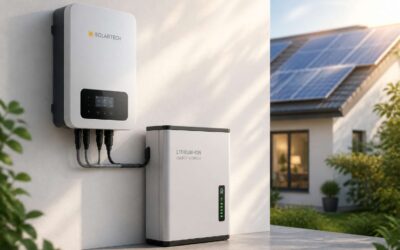
Key components of a solar storage and inverter setup
In a country where outages flicker like urban ghosts, a solar battery inverter system becomes a quiet guardian of daily life. Sunlight is free, but how it’s stored matters—and the moment the grid stumbles, you feel the difference. “Power is a promise we keep when the sun delivers it,” my team reminds clients, and that belief shows up in reliable evenings and peaceful mornings.
Key components of a solar storage and inverter setup include these essentials:
- Battery bank
- Inverter/charger
- Charge controller
- Monitoring and safety systems
From a South African vantage, rooftop sun and rising tariffs push many homeowners toward smart designs rather than quick fixes. The system is built to tolerate heat, optimize charging, and keep critical circuits alive during load shedding. It isn’t magic—just carefully matched hardware, software, and a touch of intent.
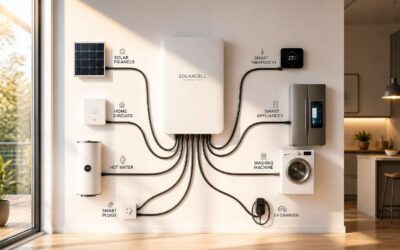
How solar panels, batteries, and inverters work together
Energy security isn’t a luxury—it’s a quiet, daily assurance. In urban and rural South Africa, outages flicker like urban ghosts, yet the kettle keeps boiling and the screens stay bright with the right setup.
Panels soak daylight, charging a bank of cells while smart electronics watch temperature and charge states. The inverter then converts the stored energy into usable AC, so lights and appliances hum without interruption. The solar battery inverter system is the carefully matched trio that turns sun into steady power.
Far from being magic, it is careful design—heat-tolerant hardware, clever charging profiles, and safety nets that isolate critical circuits when the grid falters. It is about dignity and reliability, a partner that folds into home life rather than shouting for attention.
- Panels capture daylight
- Batteries store energy for when the sun fades
- Inverters convert DC to AC to power essentials
Benefits of integrated solar storage systems
Sunlight floods our cities with promise, and in South Africa the irradiance paints a generous canvas—often around 2,000 kWh/m²/year in many regions—yet the real measure is what you do with that daylight. Understanding solar battery inverter system fundamentals means recognizing a quiet alliance: integrated storage that turns daylight into dependable power when you need it most.
Benefits of integrated solar storage systems unfold like a chorus of practical poetry:
- Uninterrupted essentials during outages and load-shedding intervals
- Lower energy bills through optimized self-consumption and tariff awareness
- Longevity and safety thanks to intelligent charging profiles and thermal management
- Tailored performance that adapts to local grid dynamics and tariff structures
These systems are not magic; they are careful design—heat-tolerant hardware and safety nets that isolate critical circuits when the grid falters, turning a home into a bastion of quiet reliability. A solar battery inverter system becomes a partner that breathes in step with daily life, never shouting, always dependable.
Common configurations for home and small business
Sunlight floods our cities with promise—and in South Africa, irradiance around 2,000 kWh/m²/year makes the math simple: store the excess daylight and you own your power future. Understanding Solar Battery and Inverter Solutions means picking configurations that turn daylight into dependable power when you need it most. A well-engineered setup isn’t loud or flashy; it’s quietly competent, designed to keep lights on during outages and to trim bills through smart self-consumption in a grid-aware world, all powered by a solar battery inverter system.
Common configurations for home and small business include:
- Off-grid with a sizable battery bank and a controlled charging routine
- Grid-tied with backup and tariff-aware operation
- Hybrid systems that blend solar, storage, and smart load management
These configurations are not magic; they’re designed to breathe with your routine—balancing energy needs with tariff reality and providing a safety net for essential circuits when the grid falters.
Choosing the Right Inverter for Solar Storage
Inverter types: string, micro, and hybrid
Power outages have become the quiet backdrop of daily life in South Africa. Choosing the right inverter for a solar storage setup is more than a technical decision—it’s a commitment to reliable evenings and productive mornings. A well-chosen solar battery inverter system shapes when and how energy returns to your home, turning sunlight into steady, usable power.
String inverters shine for large, uniform arrays; economical and robust, they falter with uneven shade. Micro inverters sit on each panel, shrugging off shade but with a higher upfront cost. Hybrid inverters unite PV, storage, and grid, offering seamless orchestration—my go-to when space and ambition align.
- Shade patterns and panel layout
- Future expansion and battery compatibility
- Monitoring, diagnostics, and service support
Ultimately, the choice reflects how a home in South Africa wants to live with sunlight: quietly, sustainably, and with an open horizon for what comes next.
Key specs: voltage, efficiency, and surge capacity
South Africa’s outages have turned home energy into more of a lifestyle choice than a luxury—reliable power isn’t a perk, it’s a baseline! Your solar battery inverter system is the conductor of this energy symphony, translating sunbeams into usable evenings and productive mornings.
- Voltage compatibility: matches your battery bank and grid; ensures safe, stable charging and discharge.
- Efficiency: higher percentages mean less energy wasted in conversion, more usable solar energy in your home.
- Surge capacity: handles brief, high-load events (kettle, AC startup) without tripping.
Beyond those core specs, consider how the system scales with your future energy ambitions and local grid rules. From my perspective, the right solar battery inverter system prioritizes balance—voltage harmony, efficiency artistry, surge resilience—so your home remains lit on even the cloudiest days.
Grid-tied vs off-grid considerations
South Africa’s outages are a daily rhythm, and your solar battery inverter system should be the steady drumbeat behind every roomful of light. The grid-tied vs off-grid considerations determine whether you ride the grid’s mercy or own that power curve—quiet, efficient, and future-ready. The right inverter makes this choice feel seamless.
- Grid-tied: taps into the utility when sunshine runs short, usually lower upfront costs and automatic back-up for essential loads, but a grid fault can interrupt power.
- Off-grid: true independence with a larger battery bank and a dedicated charging path, demanding planning for longer outages and seasonal swings.
- Hybrid: a balanced path that blends solar, storage, and grid interaction to maximize uptime and optimize tariffs without locking you to one arrangement.
Ultimately, the decision shapes how your home uses energy now and tomorrow—voltage harmony, efficiency, and surge resilience weaving into daily life.
Battery Options and Chemistry for Solar Storage
Lithium-ion vs lead-acid: pros and cons
The SA sun meets its match in a modern energy setup: a quiet revolution that keeps evenings bright when the grid yawns. I can attest—the chemistry behind it is the real tale.
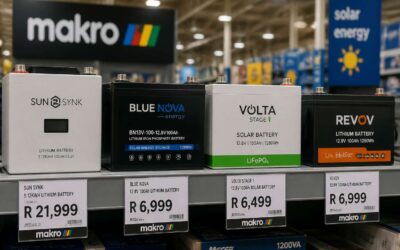
Lithium-ion shines with high energy density and long life, delivering usable storage with minimal fuss. It weighs less and handles rapid charging, yet carries a higher upfront price and a need for careful thermal management.
- Pros: high energy density; long cycle life; low maintenance
- Cons: higher upfront cost; temperature sensitivity; requires smart battery management
Lead-acid is budget-friendly and rugged, but heavy, with lower DoD and shorter cycles, plus regular maintenance demands.
In practice, the choice hinges on budget and space—solar battery inverter system options in SA often blend chemistries to balance cost with durability.
High cycle life and depth-of-discharge considerations
Across South Africa, outages are reshaping how homes think about energy. ‘When the grid yawns, the battery keeps the lights singing,’ says a local installer. The right chemistry redefines resilience.
High cycle life and DoD are the twin levers in a solar battery inverter system. Li-ion with a robust BMS thrives at 80–90% DoD and thousands of cycles; lead-acid falters sooner, even at moderate DoD.
- Lithium Iron Phosphate (LFP): stability, long life, and a generous DoD window.
- NMC/LiNiMnCoO2: higher energy density for compact systems, with careful thermal control.
- Advanced lead-acid options (AGM/Gel): cost-effective base layer with simpler maintenance.
In SA, many projects blend chemistries to balance upfront costs with durability, keeping the solar storage ecosystem quietly efficient.
Thermal management and safety
South Africa’s outages have become the national tempo, with surveys showing most households plan around storage rather than the grid. In this drama, the solar battery inverter system plays the steady conductor, shaping reliability as much as chemistry through smart thermal management. Heat, properly managed, becomes a reliable ally rather than a fickle foe.
Safety and performance hinge on intelligent thermal handling and monitoring. A capable Battery Management System watches voltages and temperatures, while thoughtful enclosure design and ventilation keep heat where it belongs.
- Balanced cooling to prevent overheating and ensure steady cycles
- Real-time monitoring for temperature, SOC, and faults
- Fire-safe enclosure and placement to protect living spaces
Sizing batteries for household loads
Storage-first thinking is reshaping SA homes! A well-sized battery bank keeps essentials alive when the grid falters. It’s about endurance as much as peak power. For a solar storage setup, this means weighing chemistry, safety, and cost against your daily load.
- Lithium-ion packs (including LiFePO4): high energy density and long cycle life
- Deep-cycle lead-acid: budget-friendly, robust, easy to recycle
- Emerging options such as solid-state or flow batteries for scalable resilience
Sizing your pack starts with your daily kWh, then adds a margin for losses and autonomy. DoD matters for cycle life, and that math guides how big your bank should be. A thoughtful choice balances upfront cost with long-term reliability in your solar battery inverter system.
Lifecycle cost and warranty considerations
Reliability in SA isn’t a luxury—it’s a grid reality, and the right chemistry can turn outages into quiet confidence. In a solar battery inverter system, lifecycle cost matters as much as the upfront price, because what you install today determines how much you’ll pay tomorrow in replacements and maintenance. Warranty terms are the compass: they spell out coverage, conditions, and what counts as an acceptable cycle or temperature limit!
Choose the path from common chemistries—from long-lived LiFePO4 to budget-friendly deep-cycle lead-acid, and the more experimental solid-state and flow options—each reshapes long-term costs and service. The warranty becomes a narrative about endurance: expected cycle life, DoD, thermal safeguards, and end-of-life support. The deeper we look, the clearer the question of value across the lifespan of your system.
System Design, Installation, and Maintenance
Site assessment and load analysis
In South Africa’s sun-bathed neighborhoods, reliable power is more than convenience—it’s resilience. A well-tuned solar battery inverter system turns bright days into dependable mornings, keeping essential loads alive even when the grid falters.
Design begins with site assessment and load analysis, mapping sun angles, shading, and daily consumption. With that insight, we size inverters and battery banks to harmonize with a home’s rhythm, avoiding waste and outages.
Key steps in this phase include:
- Site assessment and shading map
- Load profiling and dwell-time planning
- Safe wiring and proper ventilation
Installation and maintenance are ongoing. A compliant install safeguards safety and facilitates easy service, while periodic checks on battery health and firmware keep the system singing.
System sizing and layout planning
Power should be a steady companion, not a rush-hour guest. In South Africa’s sun-saturated neighborhoods, system design that pairs smart installation with thoughtful sizing yields resilience. A well-tuned solar battery inverter system translates daylight into dependable mornings, keeping essential loads alive when the grid wobbles. Design frames how the home breathes—where sun lands, how much energy is needed, and how the system ages gracefully, I think!
Key steps in the design phase include:
- Assess space and ventilation for the inverter and battery banks.
- Size inverter capacity and battery storage to daily needs.
- Plan cable routes and service access.
Installation and ongoing maintenance complete the circuit. A compliant install safeguards safety and facilitates service, while periodic checks on battery health and firmware keep the system singing. A well-tuned solar battery inverter system looks after you long after the installers leave.
Safety, permits, and code compliance
Sunshine is abundant, but reliability is earned. A solar battery inverter system succeeds where enthusiasm alone fails: smart design turns daylight into dependable mornings, and disciplined maintenance keeps the lights on when the grid wobbles. The South African rooftop isn’t just about catching rays; it’s about orchestrating space, airflow, and aging gracefully.
Design and installation must respect safety, ventilation, and access. Maintenance is the quiet encore that prevents surprises; firmware, battery health, and thermal controls deserve regular attention. To stay compliant, check permits and code requirements:
- Permits and inspections with local authorities
- Electrical code adherence and proper labeling
- Ventilation, clearances, and service access for future work
A well-designed, code-savvy installation behaves—reliable, quiet, and politely persistent—just like the best South African mornings.
Monitoring and maintenance best practices
The sun warms the roof; a properly conceived solar battery inverter system turns that heat into resilience. In the best designs, space becomes an orchestra of panels, batteries, and airflow, where components breathe and age gracefully. In practice, reliability follows from thoughtful layout and balance.
Installation must honor safety, code, and service access. Mountings should minimize heat pockets, connections protected, labelling clear. For South Africa, consider local grid interlock rules and ventilation clearances; when done well, the system quietly integrates with the home, humming rather than shouting.
Maintenance is the quiet encore: firmware, battery health, and thermal management deserve regular attention. Remote monitoring and periodic checks help catch drift before it becomes a problem. A well-tuned setup remains prepared for outages, turning daylight into dependable evenings.
0 Comments