
Residential energy storage foundations
Power resilience is no longer a luxury; in South Africa outages have become a daily drumbeat, and the solar battery house stands at the center of that quiet revolution. The right foundation makes the difference between a showpiece and a reliable sanctuary.
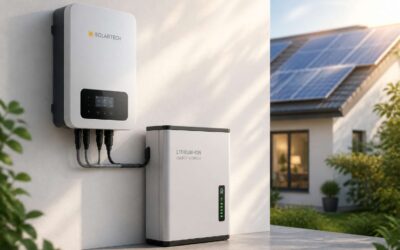
Residential energy storage foundations must anchor heavy batteries and inverters securely, with drainage and fire-safety clearances considered from the drawing board. A well-integrated base distributes weight across the structure while accommodating future upgrades. I’ve seen this translate into calmer mornings for families.
Key considerations emerge early, and a measured plan respects both safety and style!
- Site suitability and drainage
- Structural compatibility with wall and foundation loads
- Ventilation, fire safety, and future expansion
In South African homes, these foundations underpin not just efficiency but peace of mind, offering resilience when the grid fades.
Planning and design for energy independence
Planning for energy independence begins long before the first cable is laid. In South Africa, outages have become a daily drumbeat, shaping how homes think about space, safety and serenity. A well-considered solar battery house starts with clear use patterns—who charges when, which devices matter most, and how the system will flex as your needs change. It’s about turning disruption into predictability, not nostalgia for the grid!
From there, design choices lock in resilience: placement of the inverter, cable routes, ventilation, and future expansion. The following pillars guide this work:
- Load profiling and scalable storage capacity
- Accessible service routes for maintenance and upgrades
- Quiet, thermal management and fire-safe separation
In South African homes, this planning translates into more than efficiency—it’s peace of mind, a steadier morning routine, and a solar battery house that ages gracefully with the grid’s moods.
System components and installation best practices
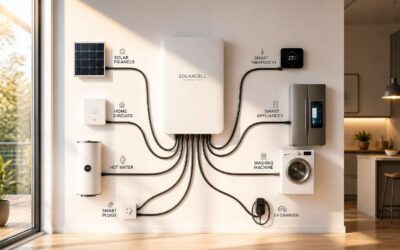
A solar battery house runs on a careful ballet of hardware: a sturdy inverter/charger, a smart battery bank, a PV array, and an energy-management brain that choreographs charging and discharging. In South Africa, these components aren’t flourish—they’re the backbone when outages drum on. Predictable power, no drama, from dawn to dusk.
Key components include the following, chosen for longevity and safety:
- Inverter/charger with integrated BMS
- Battery bank sized for expected depth of discharge
- PVs with proper racking and wiring
- Safety hardware: disconnects, fuses, ventilation
Installation considerations center on safe spacing, ventilation, and accessible service routes. Designers favour a dry, ventilated area away from living spaces, with cable pathways that respect standards and ensure fire-safe separation and solid earthing. This keeps the solar battery house aging gracefully with the grid’s moods.
Labeling and planned expansion keep the solar battery house nimble—sun in charge, not the weather.
Costs, ROI, and incentives for home energy storage
Power stability is no luxury—it’s a shield. In South Africa, rising tariffs and frequent outages turn energy into a volatile household expense. A solar battery house offers predictable power when you need it most. The upfront cost is real, but the long-term savings and resilience are hard to ignore.
ROI varies with system size, tariff changes, and how often you ride out load shedding. Typical payback sits in the 6–12 year range for many homes, and incentives can trim that further. A well-sized battery bank works in step with daytime solar generation to maximise value.
- Municipal rebates for embedded energy storage
- Financing options and low-interest loans
- Permitting and grid incentives in some municipalities
With the right mix, these systems pay for themselves while taming the tyranny of outages.

0 Comments