
Key Factors That Determine Solar Battery Prices
Battery Chemistry: Lithium-Ion vs. Lead-Acid vs. Flow
The chemistry inside a battery dictates its lifespan, safety, and cost. Lithium-ion dominates residential solar storage for its high energy density and deep discharge capability. Lead-acid offers a lower entry price but suffers shorter cycle life. Flow batteries deliver remarkable endurance yet demand a substantial investment. These chemical realities ultimately shape the solar battery and inverter price you see across South African suppliers!
Consider the practical differences:
- Lithium-ion: efficient, compact, and increasingly affordable.
- Lead-acid: budget friendly, heavy, and maintenance intensive.
- Flow: long lasting, scalable, but space hungry.
I find each chemistry solves a different problem. Lithium-ion has become the default for most homes, while flow systems appeal to niche off-grid projects. Lead-acid still appears where cost constraints dominate.
Usable Capacity and Depth of Discharge
In South Africa, a 5 kWh battery rarely delivers 5 kWh. That distinction drives the solar battery and inverter price. Usable capacity counts the energy you can draw before the battery stops. Depth of discharge, or DoD, shows how deeply you can drain it without accelerating wear. A battery with an 80% DoD offers only 4 kWh from that 5 kWh rating. This gap shifts the solar battery and inverter price you pay. Manufacturers price higher usable capacity and deeper DoD at a premium because those features demand better internal engineering. Consider these pricing markers:
- Higher usable capacity raises upfront cost but lowers cost per cycle.
- Greater depth of discharge extends useful life, changing long term value.
- Smaller batteries with shallow DoD appear cheap, yet need replacement sooner.
When comparing quotes, ask suppliers for both figures. The advertised kilowatt hours rarely match what you can actually use.
Round-Trip Efficiency and Energy Density
Round-trip efficiency measures how much electricity survives the charge and discharge cycle. A battery that returns 90% of what you feed it still bleeds 10% into heat and internal resistance. Over years, that bleed forces you to buy extra capacity, which shifts the solar battery and inverter price upward.
Energy density determines how much storage fits into a given space. Denser batteries shrink physical footprints, which matters in tight South African garages or wall mounts. That convenience carries a premium, nudging the solar battery and inverter price higher per kilowatt hour.
- High round-trip efficiency lowers wasted energy and long term costs.
- High energy density reduces installation effort and structural load.
- Both metrics inflate upfront price while improving performance.
These hidden numbers decide whether a system copes or collapses when loads run heavy or outages stretch long.
Brand Reputation and Warranty Coverage
Brand reputation accumulates through field data and consumer trials. A manufacturer with a long history demands a higher solar battery and inverter price, because their name carries evidence of proven performance. Warranty coverage dictates who absorbs the loss when capacity decays prematurely.
Some warranties stretch ten years, others break before five. The difference is not trivial. A robust guarantee often pushes the solar battery and inverter price upward, signaling engineering confidence. Beware fine print that contains depreciation clauses and labor exclusions.
Such warranties often hinge on obscure markers:
- Cycle life guarantees written in absolute numbers
- Throughput limits that cap total energy delivered
- Transferability should the property change hands
Installation Complexity and Additional Equipment
Installation complexity often shifts the final solar battery and inverter price more than the hardware itself. A simple garage install takes a day. A property with outdated wiring, limited wall space, or a convoluted distribution board demands extra labour. Trenching for outdoor battery cabinets adds cost. So does mounting hardware on uneven surfaces.
Additional equipment also stacks up. Think of:
- Smart switches for load management
- DC surge protection devices
- Battery monitoring systems
- Changeover contactors
Each component carries its own cost and installation time. South African homes frequently need these extras to handle grid instability and municipal regulations. Don’t underestimate the expense of compliance!
Understanding Inverter Price Drivers
Inverter Type: String, Micro, Hybrid, and Power Optimizers
The inverter often decides what your solar battery and inverter price actually means for your household. I have watched families spend heavily on batteries, then choose a cheap string inverter. It runs, yet a single shaded panel reduces the output of every module tied to it. Microinverters allow each panel to act alone, and that independence carries a higher cost.
- Hybrid inverters combine solar and battery management into one enclosure, simplifying wiring but increasing the initial expense.
- Power optimizers deliver panel level monitoring without the full price of microinverters.
In South Africa, where load shedding punishes downtime, this decision affects your daily power supply. The quote you receive will shift depending on the inverter type your installer recommends.
Power Rating and Peak Load Handling
The solar battery and inverter price tells you what you can power, but only if you read the fine print. Power rating, measured in kilowatts, defines continuous output. I have watched a 5 kW inverter handle a fridge, lights, and a television without stress. An 8 kW model manages a geyser or oven. That extra capacity costs significantly more, and it should.
Peak load handling matters separately. A geyser or water pump can draw double its running wattage during startup, sometimes for a few seconds. An inverter that sustains the load but fails the surge will trip precisely when load shedding begins. That failure is not a warranty problem. It is a specification problem.
Three drivers appear on every serious quote:
- Continuous power rating in kilowatts
- Peak surge capacity in kVA for motor starts
- Appliance starting current within your specific home
Understanding these before signing shifts the solar battery and inverter price you finally pay.
Efficiency Ratings and Smart Features
Efficiency ratings separate a well priced inverter from a costly mistake. European efficiency or CEC ratings measure how much DC power becomes usable AC power. A 96% efficient inverter loses 4% as heat. Over ten years, that difference affects your solar battery and inverter price more than the upfront number suggests. Smart features push the price as well. Wi-Fi monitoring, app access, and automated load shedding schedules are now common in South African homes. These functions add convenience but they also add hardware complexity and development cost.
- Remote monitoring and firmware updates
- Smart load management and generator integration
- Battery state of charge algorithms
I have seen buyers pay more for a hybrid inverter purely because it communicates with their phone. That cost is real and it is factored into the solar battery and inverter price. These features also protect your equipment. They catch faults early and keep the system running longer, which reduces long term expenses.
Certifications, Safety Features, and Monitoring Capabilities
South African inverters face harsh grid conditions. Certification is not optional! The SABS mark and IEC 62109 exist for a reason. Poorly built inverters fail within months, taking batteries with them. That cost lands on your solar battery and inverter price.
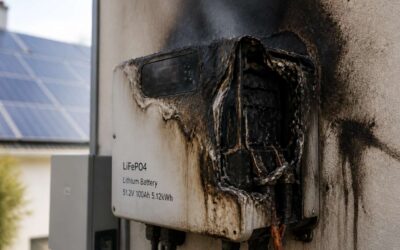
Safety features add expense. Arc fault detection, surge protection, and thermal cutoffs require extra components and testing. Each certification adds fees and engineering time. These costs appear in the price but buy protection against fire and hardware damage.
In my experience, monitoring is a price driver. The hardware and software are expensive. Functional tracking covers battery health, fault codes, and real time output. Some units offer:
- Real time energy flow tracking
- Fault and surge event logging
- Remote firmware updates
These capabilities extend lifespan by catching small issues before they become costly failures. Your solar battery and inverter price includes protection and oversight, reducing risk.
Average Price Ranges for Solar Batteries and Inverters
Current Market Price per Kilowatt-Hour for Batteries
Rands per kilowatt-hour shape every solar decision, yet the solar battery and inverter price in South Africa remains a moving target. Current market price per kilowatt-hour for batteries hovers between R9,000 and R13,000 for lithium phosphate chemistry, while older lead-acid sits near R4,500. That gap hides capacity losses and cycle life, factors covered earlier.
- String inverters: R8,000 to R18,000.
- Hybrid inverters: R18,000 to R45,000.
- Microinverters: R3,000 to R6,000 per unit.
Inverters add a separate layer of cost. Typical ranges exclude installation and wiring. The actual solar battery and inverter price you pay hinges on import duties and exchange rates, which shift weekly.
Typical Cost of String Inverters for Residential Systems
Start pricing a residential solar setup and the solar battery and inverter price will dominate your spreadsheet. Battery packs for a typical 5 kWh backup system commonly land between R45,000 and R65,000 when paired with a compatible inverter. String inverters for residential systems usually cost between R8,000 and R18,000, though the final quote depends on the rated output, the number of MPPT trackers, and whether you select a reputable brand or a budget import.
For a 5 kW string inverter, the typical cost breaks down like this:
- Single-phase units: R8,000 to R12,000
- Three-phase units: R12,000 to R18,000
- IP65-rated outdoor models: add R1,000 to R2,500
Many installers quote the inverter separately from the panels and battery, so check whether the solar battery and inverter price includes mounting brackets and surge protection. Those extras often appear as line items later.
Hybrid Inverter Pricing and Value Compared to Separate Components
The hybrid inverter pricing landscape in South Africa has shifted dramatically. A 5 kW hybrid unit typically lands between R18,000 and R35,000, which looks steep until you weigh the alternative: separate string inverter and battery charger components often exceed that figure once you account for additional wiring, separate enclosures, and double installation labour. The solar battery and inverter price for a hybrid system combines what would otherwise be two distinct purchases into one transaction.
Consider what a hybrid inverter bundles:
- Built-in battery management that eliminates the separate charge controller
- Seamless switchover during load shedding without a transfer relay
- A single warranty claim point instead of chasing multiple manufacturers
Quotes that compare hybrid inverter pricing against a componentised estimate reveal how much the gap narrows once installation complexity enters the calculation. In one Johannesburg installation, the wiring and labour savings alone reached R6,400.
Price Differences Between Premium and Budget Brands
You can see R30,000 for a budget 5 kW inverter, and R120,000 for the same rating with a premium badge. That gap is not purely branding. Budget units use basic components, higher failure rates, and minimal after-sales support. Premium models include better thermal design, robust PCB protection, and local stock of spare parts.
Batteries show a similar spread. A budget lithium pack might cost R8,500 per kWh, while a premium unit reaches R13,500. The solar battery and inverter price for a full setup depends on where you land in that range. Consider what the extras add:
- Thermal management: basic fans versus active liquid cooling
- Fault tolerance: single failure versus redundant bypass
- Monitoring depth: voltage readout versus per-cell telemetry
That R25,000 difference on the battery alone often covers the entire budget inverter. My advice is to price both options, then check the fine print on support!
How System Size Affects Per-Unit Costs
In South Africa, the solar battery and inverter price for a typical home installation starts around R85,000 for a 5 kW inverter paired with a 5 kWh lithium battery. At the other end, a 10 kW system with 15 kWh of storage can easily cross R300,000. That wide spread reflects the components and the scale of installation.
Per-unit costs shrink as the system grows. The hardware, the mounting, and the labour all spread across more capacity. You might pay R18,000 per kWh of battery on a small setup, but closer to R13,000 when you buy bigger.
Consider these tiers when budgeting:
- Small backup: 3 kW inverter, 5 kWh battery
- Medium hybrid: 8 kW inverter, 10 kWh battery
- Full off-grid: 12 kW inverter, 20 kWh battery
The exact solar battery and inverter price for your situation depends on which tier matches your daily consumption. Sizing matters more than brand obsession, and that is where most people miscalculate!
Hidden Costs: Shipping, Permits, and Professional Installation
A quoted solar battery and inverter price rarely tells the full story. Shipping heavy lithium batteries and inverters to South African cities can add thousands to the bill. Municipal permits carry their own fees, and approval timelines often delay installations by weeks. Professional installation, which is non negotiable for grid tied systems, usually lands between R8,000 and R25,000 depending on roof type and panel layout.
When budgeting a residential setup, account for these add ons:
– Delivery and handling charges for bulky equipment
– Municipal application and inspection costs
– Electrician labour and mounting hardware
– Structural reinforcement for older roofs
None of these items appear in the headline quote. The true solar battery and inverter price only becomes clear once logistics and compliance join the hardware on your invoice.
Comparing Battery and Inverter Types by Cost
Lithium-Ion Batteries vs. Lead-Acid: Upfront and Lifetime Value
Lead-acid batteries have a lower upfront cost. A comparable bank costs roughly half the price of lithium-ion. That saving disappears between year three and five. Lead-acid cells degrade faster and need replacement twice as often. Lithium-ion systems demand a heavier initial outlay, but their longer calendar life changes the total spend.
- Lead-acid: lower first payment, higher long-term spend
- Lithium-ion: higher first payment, lower total cost over a decade
Calculate cost per cycle instead of per rand. Most homeowners replace lead-acid banks twice within a single lithium-ion lifespan. When you add labour and disposal fees, the gap narrows further. A solar battery and inverter price quote only reflects the initial purchase. South African buyers should track the full ownership curve, because the cheapest solar battery and inverter price often results in the most expensive system over time.
AC-Coupled vs. DC-Coupled Inverter Solutions
AC-coupled retrofits dominate South African solar installs. The installer adds a separate battery inverter, so the upfront solar battery and inverter price stays modest. But energy shuttles from panels to AC, back to DC for the battery, and back again on discharge. Eskom will not refund you for the electrons lost in the middle.
DC-coupled designs run everything through one hybrid inverter. Solar power routes straight to the battery and back out, with fewer conversions. The solar battery and inverter price for this setup lands higher because hybrid inverters command a premium. You skip the separate battery inverter, its cabling, and installation fee, which narrows the gap quickly.
A 5 kW hybrid inverter and a 10 kWh battery can undercut a string inverter plus AC battery inverter on total cost. DC coupling makes sense for a new build, while AC coupling remains practical for adding storage to an aging array.
Off-Grid vs. Grid-Tied Inverter and Storage Pricing
The divide between off-grid and grid-tied storage shapes the solar battery and inverter price more than any component spec. An off-grid home demands an inverter that handles every surge, from kettles to borehole pumps, often rated at 8 kW or higher. The battery bank must cover overnight loads plus several overcast days. That means 15 kWh or more of usable capacity, pushing costs steeply upward.
Grid-tied households face a lighter burden. The utility serves as a virtual battery, so storage only needs to cover loads during load shedding or peak tariffs. A 5 kW hybrid inverter with a 10 kWh battery handles this comfortably. Off-grid buyers often misjudge the solar battery and inverter price because they compare per-kilowatt costs without sizing for autonomy. The gap between these approaches can exceed R40,000, before factoring in generator integration and charge controllers.
Smart Strategies to Reduce Your Solar System Expenses
Right-Sizing Your Battery Bank to Avoid Overspending
Right sizing your battery bank means matching capacity to actual nightly consumption, not the system’s peak output. Many South African homeowners install extra kilowatt hours that never get used after load shedding schedules change. That overspending directly inflates the solar battery and inverter price.
- Audit your evening draw over a full week.
- Account for seasonal weather shifts.
- Prioritize essential circuits only.
By trimming the battery bank to a realistic baseline, you lower the upfront cost and reduce future replacement strain. That practical approach keeps the system affordable without sacrificing reliability.
Choosing the Optimal Time to Purchase Equipment
Waiting for the right moment to buy solar gear can frustrate even patient shoppers. Yet those who track inventory cycles often save thousands. One distributor told me that after import shipments clear each quarter, the solar battery and inverter price drops from exorbitant to merely high.
Timing also depends on local demand. When load shedding eases, suppliers slash prices to move stock. Smart buyers watch weather forecasts for unusually calm weeks, then negotiate hard. Consider these odd but effective tactics:
- Ask for quotes on the last business day of the month, when sales targets loom.
- Bundle the battery and inverter with installation to unlock hidden discounts.
Patience pays. The same system bought in January might cost 15% less by March, simply because nobody else was queueing.
Leveraging Federal and State Incentives for Storage
A quiet irony shadows the solar market: the more the grid falters, the more households pay to leave it. Yet beneath the surface of poised lithium cells and waiting inverters, a stranger currency moves. Government-backed programs have begun to shift the ledger, offering a reprieve for those who know where to look. The solar battery and inverter price might still feel like a toll booth on a road to nowhere, but federal and state incentives can transform that toll into a modest footpath.
In South Africa, the energy landscape has forced a reckoning with dependence. Homeowners who once viewed storage as a luxury now see it as a lifeline, and the cost of that lifeline often depends on rebates and tax credits that change with the political weather. The solar battery and inverter price, while formidable, can be reduced substantially when paired with available schemes. These programs are not universal, and they shift like sand in a coastal wind, but they remain one of the few predictable forces in an otherwise volatile expenditure.
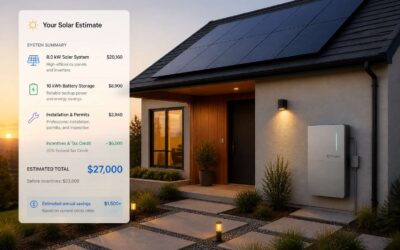
Consider that the federal Solar Tax Credit currently offers a 30% deduction on qualifying systems, a figure that has survived several legislative cycles. On a system costing R150,000, that translates to a saving of R45,000, a sum that could cover a year of municipal electricity. The catch, of course, is that the credit applies only to equipment that meets specific standards. Hybrid inverters and lithium iron phosphate batteries often qualify, while cheaper lead-acid alternatives may not. This distinction matters when you compare quotes, because the lowest upfront price rarely equals the lowest net cost.
State-level incentives add another layer of nuance, though they are more scattered in their availability. Some municipalities offer rebates for grid-tied systems that export excess power, while others provide partial refunds on installation labour. The most aggressive programs, however, target those who install storage alongside new solar arrays, rather than retrofitting an existing setup. Homeowners who act during these windows often find that the solar battery and inverter price drops by a third or more.
The paperwork, admittedly, is a ghastly affair. Applications require proof of purchase, certification from an accredited installer, and sometimes a utility inspection before the rebate is issued. Delays can stretch for months, and some applicants give up halfway through the process, leaving money on the table. But those who persist discover that the system they bought in haste becomes a fixture they afford with patience.
Here is the landscape in sharper relief:
– Verify that your installer is registered with the South African Photovoltaic Industry Association, as unregistered labour can void your incentive claim.
– Submit applications within 30 days of installation, because late filings are routinely rejected without appeal.
– Check whether your municipality offers a separate property rate rebate for homes with permanent storage capacity.
The market itself reacts to these policies. When a new incentive is announced, suppliers often raise prices slightly, anticipating the influx of subsidised buyers. The solar battery and inverter price thus becomes a moving target, one that rewards those who study the timing as much as the technology. A system bought during a quiet quarter, before the incentive rush, can deliver the same performance for significantly less.
These programs are not a cure for the cost of independence, but they are a salve. They do not erase the sting of the initial outlay, yet they soften the blow and make the leap more bearable for households that would otherwise hesitate. The wise buyer reads the fine print, tracks the announcements, and treats the incentives as part of the system itself. That approach, more than any negotiation tactic, is what turns an expensive necessity into a calculated investment.
Comparing Quotes from Multiple Solar Installers
One quote for the same system can differ by thirty percent. The hardware does not change, but installers build in their own labour, margins, and urgency. Comparing multiple quotes is the least glamorous way to lower your solar battery and inverter price, yet it remains the most effective. I have seen homeowners save enough for a second battery simply by asking three companies to compete. The trick is to require identical specifications in writing. Otherwise you are negotiating against yourself.
- Verify that each quote lists the same battery capacity and inverter model.
- Confirm the warranty terms, not just the headline year.
- Ask whether the price includes shipping, permits, and tie-in components.
A lower upfront bid often hides a weaker monitoring setup or cheaper mounting system. The solar battery and inverter price is not a fixed number; it is a negotiation waiting to happen.
Balancing Performance and Price for Long-Term ROI
The cheapest solar battery and inverter price rarely delivers the best return. I have watched homeowners replace budget inverters twice within five years, spending more than a quality unit would have cost upfront.
Consider the full system lifetime, not the sticker shock. The solar battery and inverter price is just the entry ticket. A slightly oversized inverter runs cooler and lasts longer. A battery with deeper discharge cycles might cost more now but saves on replacements later.
Here are three benchmarks we use in South Africa:
- Compare cost per kilowatt-hour over ten years, not price per unit.
- Prioritise components with local service support.
- Match inverter capacity to your real load profile, not the salesperson’s spreadsheet.
The right balance between performance and expense shows itself in monthly electricity bills, not in the initial quote.

0 Comments