
Understanding residential solar battery storage
What is a home battery storage system and how it works
In South Africa, the phrase “sunlit resilience” is more than poetry—it’s practical. A homeowner told me, “storage turned our evenings back on.” That spark leads to a solar battery bank for home that stores daytime sun for after-dark use and during outages. That’s practical!
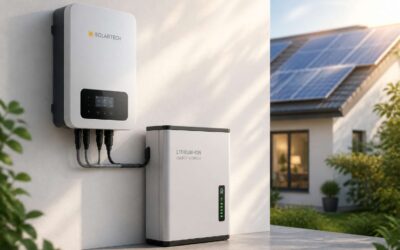
A home battery storage system is basically a smart reservoir for your solar energy. A solar battery bank for home stores surplus power from your panels and feeds it back after dark; surplus power charges the battery, and an inverter converts it to the alternating current your kettle and TV need. When sun fades, the stored energy flows out, keeping essentials running and comfort intact without racing to the substation.
- Battery chemistry and depth of discharge influence efficiency
- Inverter size determines how many devices you can power
- Safety features and maintenance affect longevity
Types of home battery technologies
Sunlight is free; storage makes it usable after dark. A solar battery bank for home decides when to store daytime energy and when to release it after sunset. In South Africa, outages have become routine, making reliable storage a practical necessity.
Understanding residential solar battery storage types helps match budget and needs. Common home technologies include:
- Lithium Iron Phosphate (LFP) – longevity and heat tolerance.
- NMC lithium – high energy density, compact packs.
- Lead-acid (sealed AGM/GEL) – low upfront cost, shorter life.
- Flow batteries – scalable, long life, bigger footprint!
Each technology carries trade-offs around depth of discharge, cycle life, and climate resilience. The right fit depends on daily use and South Africa’s heat and outages.
Key performance metrics
Power outages have settled into South African life like a stubborn coffee stain—visible, irritating, and stubbornly routine. A recent survey revealed households endure interruptions for several hours each week, turning reliability into a premium feature. A solar battery bank for home is more than a gadget; it’s a practical partner in keeping lights on when the grid falters. The real art lies in timing: capture daytime sun, then deliver after sunset with grace.
Key performance metrics guide the decision. To size wisely, focus on the essentials:
- Depth of discharge (DoD)
- Round-trip efficiency
- Cycle life and end-of-life performance
- Temperature resilience
In our climate of heat waves and outages, these figures transform from abstract specs into daily pragmatism.
Benefits for homeowners
Power outages have become a fixture in South Africa, not a nuisance but a daily variable. A reliable solar setup isn’t a luxury—it’s a lifeline. A solar battery bank for home is more than a gadget; it’s a shield that stores daylight for the darkness, almost supernatural in its certainty.
Consider these core benefits:
- Uninterrupted power during load shedding and outages
- Lower daytime grid draw, potentially reducing bills
- Improved resilience against heat and storms that strain the grid
In a climate of heat waves, a well-sized storage system translates daylight into evening reliability, with calm confidence rather than grid chaos.
Common myths and misconceptions
Across South Africa, outages are as predictable as sunset, yet myths about storage linger. I see this daily in SA homes—62% of homeowners want storage within five years, but practicality still trips them up. Understanding myths helps separate hype from value when choosing a solar solution.
Common myths about a solar battery bank for home persist, but the reality is different!
- Myth: Storage only works in daylight. Reality: Batteries let you use energy at night and during outages.
- Myth: All batteries fail in a few years. Reality: Quality systems last a decade or more with proper care.
When planning, consider how storage fits your routine and climate—turning sun hours into steady power, not wishful thinking.
Sizing and planning your home energy storage
Assessing household energy use and peak demand
Sunlight is not a negotiable employee; it clocks in every day. The right solar battery bank for home sizing hinges on how electricity flows through daily life—when it’s used, how much, and how long storage must bridge the gap. In the South African context, planners compare daytime generation with demand, then size to cover evenings when the sun retreats. The result is a system that hums in the background, a discreet partner keeping lights on when the grid stumbles.
Assessing household energy use and peak demand means examining patterns, seasonal shifts, and timing of devices. The concept of a solar battery bank for home sizing emerges when these factors meet the practical reality: storage must reflect sun hours and evening loads. A few guiding considerations to ponder include:
- Daily usage patterns
- Seasonal variation in heating and hot water
- Timing of peak loads
- Balance between essential and discretionary loads
Calculating required capacity and depth of discharge
Power outages have become a routine backdrop in South Africa, turning storage into resilience. A well-sized solar battery bank for home keeps the fridge humming and the lights on when the grid stumbles. As one homeowner puts it, the sun is a partner we can actually rely on.
Sizing starts with daily energy use and how long you need backup. A practical approach factors in total daily energy, with attention to depth of discharge (DoD)—the portion you can safely draw down without shortening battery life.
- Target hours of autonomy (evenings and cloudy days)
- Seasonal electricity swings (air conditioning in summer, heating in winter)
- Available inverter capacity and charging rate
Typically, South African homes size around 8–12 kWh to cover evening loads, tailoring storage to household size and comfort preferences.
Choosing chemistry for home storage
South Africa’s grid drama teaches resilience—outages run hours, even days, at peak. Sizing your energy storage begins with daily use and how long you want the lights to endure when the sun withdraws. A smart plan weighs total daily energy, safe DoD (depth of discharge), and the inverter’s charging appetite. A solar battery bank for home isn’t a gadget; it’s a partner that keeps evenings bright while the grid slumbers.
Choosing chemistry is the art of balancing safety, lifespan, and budget. Here are the main contenders:
- LiFePO4 (Lithium Iron Phosphate): long cycle life, robust safety, and stable performance in SA heat.
- Lithium NMC: high energy density and lighter weight, but a touch more management required.
- Lead-acid (AGM/Gel): budget-friendly upfront, older tech, heavier and shorter life.
In planning, match your chemistry to your DoD tolerance, climate, and inverter charging reality.
System sizing for daily operation and backup scenarios
Sizing a solar battery bank for home isn’t guesswork; it’s a tightrope between appetite and endurance. South Africa’s grid drama turns evenings into cliffhangers, so plan for daily energy use and how long you want the lights to last after sunset. A smart plan balances total daily energy, a safe DoD, and the inverter’s charging appetite. A solar battery bank for home stays dependable when mains fade.
To shape the fit, frame your needs around three questions:
- What is the daily energy draw and the night-time reserve you require?
- How many backup hours must the system cover during outages?
- What are the inverter’s charging limits and the system’s DoD tolerance?
Match your chemistry, climate, and usage so the solar battery bank for home breathes easy in SA heat.
Budgeting, financing, and ROI considerations
When the grid coughs and the night closes in, a quiet power partner keeps the home lit and breathing. South Africa’s evenings have a way of turning suspense into routine, until a solar battery bank steps in as dependable backup—silent, steady, and surprisingly humane.
Budgeting for this investment means weighing upfront costs against long-term savings and resilience. A solar battery bank for home turns rising tariffs into predictable outlays and enhances appeal when you sell. Consider financing, warranties, and maintenance—these shape the return as much as chemistry and climate.
The ROI is not just financial; it’s the peace of knowing the lights will endure.
System design and components
Inverter, charger, and battery integration
Power outages are a persistent challenge in South Africa. The right design makes outages feel like a distant noise, not a daily complaint.
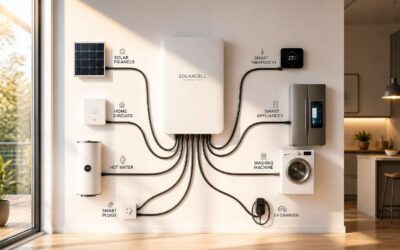
System design and its three pillars—Inverter, charger, and battery integration—anchor reliability. The inverter converts stored DC into usable AC, handling surge demands with clean waveform. The charger orchestrates PV input and battery health, ensuring safe, efficient charging. The battery network, wrapped in a smart BMS, stores energy for night and cloudy spells, powering a solar battery bank for home.
- Inverter sizing to cover peak loads without wasting energy
- Charger compatibility with PV input and battery chemistry
- Battery management for safety, longevity, and fault detection
Get the balance right, and daily operation blends efficiency with quiet determination, even when the grid falters.
Battery management system and safety features
Power outages have become a South African staple, but a clean design keeps drama in the background. “The sun is a far more reliable employee than the grid,” solar circles say, and a solar battery bank for home keeps the lights on when the grid naps.
System design rests on three pillars: inverter, charger, and a battery network. The inverter handles surges; the charger coordinates PV input with battery health; the battery bank stores energy for night and cloudy spells.
- Inverter sizing aligned to peak loads
- Charger compatibility with PV input and battery chemistry
- Battery network managed by a smart BMS
- Fault detection, thermal monitoring, and safe shutdown
The smart Battery Management System maintains safety and longevity with cell balancing, temperature monitoring, and automatic safeguards—while fault detection keeps the whole installation calm under pressure, even during loadshedding in SA.
Electrical configuration and wiring basics
Electrical architecture is the midnight corridor through which daylight travels into our homes. The system design for solar battery bank for home shapes the night—compact, purposeful, and fiercely reliable. I see the inverter as a chorus of quiet strength, the charger as a patient conductor, and the battery network as the archive of every sunlit hour.
The core components and their wiring basics come together with a disciplined rhythm:
- Inverter: handles surges and backfeed with dignity
- Charger: matches PV input to battery health
- Battery network: stores energy for night and overcast days
- Smart BMS: balances cells, monitors temperature, and protects against faults
- Wiring and protection: correct gauge, isolation, and safe shutdowns
Keep paths clean and connections orderly, and the system breathes with a patient, eerie calm—the quiet power of a home that never truly sleeps.
Monitoring and remote access
South Africa’s sun gives homeowners a daily dividend—smart system design converts that gift into quiet reliability. For a solar battery bank for home, the design of the architecture and the flow of power shape how the day ends: calm, uninterrupted, and ready for the unexpected. Monitoring and remote access elevate the whole setup from a static array to a living, responsive system that talks to you in real time.
- Real-time state of charge and available capacity
- Temperature and health monitoring across cells
- Remote dashboards and mobile alerts
- Firmware updates and fault diagnostics
In practice, the monitoring layer is a narrative: it records voltage dips, logs temperature spikes, and flags when a cell returns odd readings. The architecture invites a gentle, almost scientific engagement with your energy habits, and that reader-friendly dashboard becomes a compass in a storm. That is the promise of a solar battery bank for home.
Standards, protection, and code compliance
South Africa’s sun pours in with stubborn generosity, and a well-crafted system translates that light into dependable power. A solid solar battery bank for home rests on architecture that balances safety, scalability, and quiet efficiency. When the design speaks in standard interfaces and predictable responses, evenings feel steadier, and the unexpected becomes manageable rather than frightening.
Key guardrails include:
- Standards alignment: SANS 10142-1 for electrical installations and IEC 62133/IEC 62443 for safety and cybersecurity.
- Protection layers: fusing, isolation, temperature monitoring, and fault diagnostics.
- Code compliance: permits, grid interconnection, labeling, and maintenance access.
With these guardrails in place, the home’s solar heart beats responsibly through day and night.
Installation, safety, and compliance
Permits and interconnection with the grid
Blackouts are no longer a curiosity; they’re a feature of modern life, and a solar battery bank for home can rewrite the story for your household. Skilled installers plan the siting, ventilation, and wiring so it hums quietly in the background, ready to surge when the sun goes down. It’s resilience without drama—reliable power, day after day.
Key safety checks include:
- Certified installers and manufacturer-backed equipment
- Proper ventilation, clearance, and fire protection
- Lockable enclosures and compliant wiring methods
Permits and interconnection with the grid require compliance with local codes and utility rules. In South Africa, this means approvals from the local municipality or utility, and meeting standards such as SANS 10142-1 and related safety requirements. The process ensures safe integration, correct back-feed protection, and a grid-ready interface that supports reliable operation during outages.
Electrical safety during installation
Installation is the quiet backbone of a solar investment. In South Africa, a well-placed solar battery bank for home keeps the lights on when the grid falters and the sun hides. You’ll feel the difference in a steady, calm hum that answers when power is needed. That calm hum says it all!
Electrical safety during installation rests on licensed professionals and compliant components. Trained electricians connect the bank to your distribution panel, ensure adequate ventilation and clearances, and verify robust enclosures and protective wiring. The approach favors clean, accessible layouts that reduce risk during routine maintenance.
Compliance means navigating local codes and utility rules in South Africa. Expect municipality or utility approvals and adherence to standards such as SANS 10142-1 and related safety requirements. The outcome is a safe, grid-ready interface that supports reliable operation through outages.
Ventilation, fire safety, and proper placement
Installation is the quiet backbone of a solar investment, especially in South Africa where load-shedding tightens the day. A well-tuned solar battery bank for home keeps the lights on when the grid falters and the sun hides. You’ll feel the calm hum!
Electrical safety during installation rests on licensed professionals and clean layouts. For a solar battery bank for home, we ensure adequate ventilation, clearances, robust enclosures with protective wiring, and fire safety measures.
- Adequate ventilation and clearances around the enclosure
- Robust, flame-retardant enclosure and protected wiring
- Placement away from heat sources and high-traffic zones
Compliance means navigating South Africa’s codes and utility rules, with municipality approvals and adherence to standards such as SANS 10142-1. The result is a safe, grid-ready interface that supports reliable operation through outages.
Warranty, service plans, and after-sales support
Installation isn’t glamorous, but it’s the quiet backbone of a real energy upgrade. In South Africa, licensed professionals handle interconnection, municipal approvals, and the compliance checks that keep the lights on when the grid falters. A clean, compliant install helps the solar battery bank for home stay grid-ready and warranty-safe through outages.
Warranty and service plans are part of the deal, not a nice-to-have. Many systems include a manufacturer warranty, with optional extensions and on-site support designed for SA’s peak-load realities.
- Annual inspections and performance checks
- Remote monitoring and software updates
- Priority parts replacement and on-site support
- Battery health diagnostics and end-of-life guidance
Beyond the paperwork, after-sales support means local technicians, rapid diagnosis during load-shedding spikes, and clear channels for ongoing optimization of your solar battery bank for home uptime. A responsive team translates into fewer surprises when sunshine or storage is scarce.
Documentation and maintenance schedules
For a solar battery bank for home, installation isn’t glamorous, but it’s the quiet backbone of reliability in South Africa’s shifting grid.
Licensed professionals handle interconnection, municipal approvals, and compliance checks, ensuring proper ventilation, secure wiring, and fire safety clearances so you never worry about outages turning into dark nights.
Documentation and maintenance schedules safeguard long-term performance. To keep your system pristine, a simple cadence of checks and updates matters:
- Permits, interconnection paperwork, and code compliance records
- System diagrams, wiring schematics, and BMS configurations
- Maintenance cadence: visual inspections monthly, safety tests quarterly, battery health diagnostics annually
- Firmware and software updates for remote monitoring platforms
- End-of-life planning and spare parts inventory
0 Comments