
Key Specs and Capacity of One Hundred Amp Hour Solar Storage
Understanding What One Hundred Amp Hour Means for Capacity
Across South Africa’s sun-scorched rooftops, the key specs of a solar battery 100ah reveal how far a day’s energy can travel. One Hundred Amp Hour capacity defines the total charge available before recharging is needed, a metric that becomes tangible when paired with a 12V system. At this voltage, 100Ah translates to roughly 1.2 kWh of stored energy, a quiet reservoir for essential loads when daylight fades.
- Nominal voltage: 12V
- Capacity: 100Ah at the 20-hour rate
- Recommended operating window: suitable for standard inverters and typical deep-cycle chemistries
Understanding One Hundred Amp Hour capacity sharpens the mind on depth of discharge, cycle life, and overall efficiency. The term solar battery 100ah becomes not just a spec but a narrative of resilience against cloudy days and nightfall!
Voltage Ranges and Chemistries Commonly Used
South Africa sits in one of the sunniest corners of the world, and that bright reality makes storage planning crucial! For a solar battery 100ah, the 12V baseline is the default, but engineers often string cells to 24V or 48V to suit bigger inverters and longer runs.
- Voltage ranges commonly supported: 12V nominal; 24V and 48V configurations for higher-power setups
- Chemistries in play: flooded lead-acid, AGM, gel, and LiFePO4 (Lithium iron phosphate)
- How Ah translates to energy: higher system voltage yields more kWh from the same Ah rating
In South Africa’s sunny climate, voltage and chemistry choices drive cycle life and efficiency. Whether you choose flooded, AGM, gel, or LiFePO4, the pairing of voltage with chemistry determines how effectively night-time loads are kept online after sundown.
Discharge Rates and Efficiency Impacts
South Africa’s sun pours down with relentless brightness, yielding roughly 2,500 peak sun hours a year—enough to redefine how we store energy. In my experience, a one hundred amp hour unit becomes a practical anchor for sizing inverters and matching loads across configurations.
For a solar battery 100ah, energy storage scales with voltage: 12V yields about 1.2 kWh, 24V about 2.4 kWh, and 48V around 4.8 kWh. Round‑trip efficiency follows chemistry—LiFePO4 ≈95%, flooded lead‑acid ≈80–85%. Discharge rates matter: higher C-rates deliver more power but shorten cycles.
- Discharge rate expressed as C-rate aligns with usable capacity
- Temperature and DoD influence real-world efficiency
- Inverter efficiency shapes night-time power delivery
In South Africa’s climate, these specs translate into reliable night-time resilience.
Cycling Life and Durability Considerations
South Africa’s energy reality makes a solar battery 100ah more than a gadget—it’s a nightly shield against outages and a practical anchor for home and small business power. A properly sized unit keeps critical loads in motion when the grid falters, quietly robust and ready to scale with an inverter.
- Cycle life: LiFePO4 typically 2,000–5,000 cycles under moderate DoD and temperature.
- Temperature and DoD influence usable capacity and efficiency.
- System voltage configuration (12/24/48V) defines usable energy and compatibility.
Durability comes from chemistry and engineering choices—cell type, packaging, and thermal management all factor into long-term performance. In South Africa’s climate, robust heat handling and reliable warranties translate to steadier nights and fewer regrets when Eskom calls a load-shedding encore.
How One Hundred Amp Hour Compares with Other Capacities
South Africa’s nights have learned a stubborn rhythm: outages linger, and every hour without power stretches into an epic. A solar battery 100ah becomes a quiet hedge against that cadence—an anchor that keeps lights, fans, and routers alive when the grid falters.
- Weight and footprint: compact 12–15 kg with a footprint suitable for shelves or tight closets
- Operating temperature range: engineered for SA heat, typically -10°C to 50°C
- Warranty and service: robust coverage, commonly 5–10 years with local support
- Form factor and integration: ready for 12V/24V systems with modular mounting
In the language of watts and will, this capacity strikes a balance. Compared with other capacities, 100Ah sits between lighter 80Ah and bolstering 200Ah families, offering steady daily energy for essential loads without the heft or cost of larger systems.
Applications and Use Cases for One Hundred Amp Hour Solar Storage
Off Grid Home Standby Power and Resiliency
South Africa’s load shedding has become a national sport, and the solar battery 100ah is the dependable understudy who never misses a cue. For an off-grid home, it keeps the fridge humming, lights glowing, and essential devices online after sunset. It’s compact, surprisingly sturdy, and ready to partner with your solar array—delivering quiet resilience when the grid nods off.
Consider these practical applications:
- Off-grid homes and remote cottages needing stable power for evenings.
- Standby power for refrigerators, routers, and lights during outages.
- Irrigation pumps, water filtration, and security systems at rural properties.
- Small business kiosks or telecom equipment in isolated SA towns.
With this energy companion, resiliency isn’t a gimmick but a given for South Africa’s homes and businesses. The solar battery 100ah makes quiet power a daily feature—no drama, just dependable energy.
Small Business and Microgrid Scenarios
Across South Africa, outages have become a daily drumbeat, and the solar battery 100ah can tilt the odds for lean operations. For off-grid homes and businesses, this compact powerhouse turns sunset into productive hours—quietly, reliably, with scant fuss. It’s a dependable partner for remote stores, clinics, and farms that refuse to surrender to the grid’s mood.
- Small business kiosks and remote shops needing stable post-sunset power
- Rural microgrids for clinics, schools, pumps, and security systems
- Telecom towers and data shelters requiring resilient operation during outages
In these settings, resilience isn’t hype—it’s routine, and the unit remains a quiet, durable companion that keeps lights on, fridges humming, and communication lines open.
Recreational Installations for RVs and Boats
Power isn’t luxury; it’s the seam where night stitches day. Along South Africa’s sun-washed coasts and outback camps, the solar battery 100ah stands as a quiet guardian for RVers and boaters. “Power isn’t given by the sun—it is earned,” a weathered traveler whispered, as the horizon swallowed the last light.
- Refrigeration and cooling for perishables on long journeys
- Reliable lighting for decks, cabins, and tents after dusk
- Charging of essential devices and navigation gear
On the road and at sea, this compact powerhouse softens the edges of adventure. I have watched a fridge hum through the night aboard a quiet deck. For RVs, it frees you from noisy generators and lets dinners linger under the stars; for boats, it sustains bilge pumps, radios, and plotters as tides shift.
Durable, weather-tough, and whisper-quiet, it thrives in heat, wind, and motion—a steadfast companion that keeps your sanctuary lit, your perishables cold, and your stories unfolding long after sunset.
Emergency Backup for Critical Loads in Solar Systems
Across South Africa’s sun-washed camps and coastlines, power is a constant negotiation. The solar battery 100ah acts as emergency backup for critical loads in solar systems, keeping a fridge cool, a radio listening post alive, and essential lights unfading when the grid deserts you. A quiet, reliable partner in an unsettled world, it embodies resilience with a dash of common sense.
Used in practice, here are scenarios:
- Refrigeration for perishables during long journeys
- Reliable lighting for decks, cabins, and tents after dusk
- Charging of essential devices and navigation gear
On boats and in RVs, its compact form translates to fewer compromises: no noise, fewer fumes, and steady support for bilge pumps, plotters, and communication gear as seas roll or roads bend. Durable, weather-tough, and whisper-quiet, it remains a trustworthy companion that keeps life orderly when the sun sets—much like the solar battery 100ah that refuses to quit.
Integrating with Solar Panels and Other Energy Sources
On a sun-drenched continent where outages loom larger than rain clouds, the solar battery 100ah proves its mettle. In South Africa, storage isn’t a luxury; it’s a steady partner that keeps life humming when the grid yawns! A recent observation suggests that 60% of new off-grid setups pair solar with storage to weather outages.
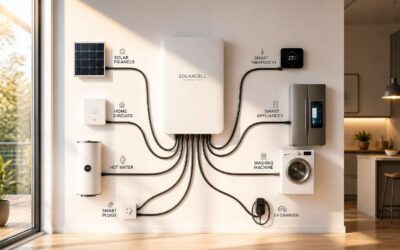
From rural clinics and remote research outposts to coastal marinas and safari lodges, it fuses solar panels with other energy sources—keeping satellite terminals alive, water pumps steady, and communication gear ready for action, even when the sky goes quiet.
- Smart charge controllers that maximize efficiency
- Hybrid tie-ins with wind or gensets for surges
- Integrated energy management to prioritise essential loads
Elegant, durable, and quietly confident, this storage solution becomes the understated backbone of South Africa’s solar story—proof that resilience can wear a polite smile while weathering the boldest outages.
Choosing the Right One Hundred Amp Hour Solar Battery
Battery Chemistry Options and Their Tradeoffs
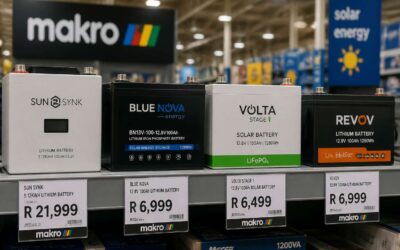
In the world of solar storage, a solar battery 100ah is a decision that shapes resilience from sunup to sundown. Lithium iron phosphate (LiFePO4) delivers long cycle life and lighter weight, but at a higher upfront price. AGM and gel options are budget-friendly yet trade durability and efficiency for cost. Flooded lead-acid remains dependable in SA’s temperate climes, though it demands maintenance and careful charging. Each chemistry writes a different reliability and warranty into your system.
- LiFePO4: long life, lighter, higher upfront cost.
- AGM/Flooded Lead-Acid: cheap upfront, heavier, shorter life.
- Gel: stable temp, needs proper charging.
Ultimately, the right choice depends on climate, budget, and how you balance capacity through SA’s sunny days and variable loads.
Compatibility with Inverters and Charge Controllers
“Power is the quietest luxury,” a line echoed by South African installers, and storage turns daylight into evening steadiness. The solar battery 100ah sits at the heart of resilient homes, where capacity meets precision. Compatibility with inverters and charge controllers isn’t just convenience—it is the hinge between daily life and the weather’s capricious grace.
In the realm of compatibility, these considerations matter.
- Voltage alignment with the inverter’s nominal output and electrical code
- Charge controller type and temperature compensation for seasonal swings
- Battery management system compatibility and safety protections
- Warranty terms and cycle life as a measure of lasting value
When the sun returns, the system breathes easy, balancing urban demand with the honest rhythm of the landscape. The right match respects both the sunlit dream and the practical endurance, letting evenings feel earned.
Brand Reputation, Warranties, and Service
Brand choice shapes more than performance—it shapes resilience. A well-known line among South African installers still rings true: the right name behind a solar battery can be the quiet force that keeps evenings steady after a sunlit day. The solar battery 100ah isn’t just a cell pack; it’s a commitment you’ll wear as a daily routine, so reputations matter as much as capacity.
When evaluating options, keep these pillars in mind:
- Brand reputation built on real-world performance and transparent, local references
- Warranty terms that clearly cover cycles, depth of discharge, and safety protections
- Accessible service networks, timely support, and genuine spares in South Africa
Total Cost of Ownership and Budgeting Tips
A quiet revolution sits in the hallway: the right solar battery 100ah is more than capacity—it’s a partner in your budget. “Storage is the bridge between sun and supper,” a seasoned installer likes to say, and the evidence is in the balance sheets of homes where daytime sunlight becomes reliable night-time power.
- Upfront purchase price and installation costs
- Expected lifecycle costs, including replacement of inverters and periodic maintenance
- End-of-life considerations and recycling options
For budgeting, model total cost of ownership across years, account for potential replacement cycles, and plan for modest maintenance. Choose a system that scales with your needs, and factor local electricity tariffs to keep the lights bright without surprises.
Safety Certifications and Handling Guidelines
Across South Africa, rooftop hope is rising; last year, solar storage adoption grew 35%, turning quiet conversations into power plans. The right solar battery 100ah isn’t just about capacity—it’s a steady partner that keeps daytime sun from night-time uncertainty.
Safety certifications act like a compass in a crowded market. Look for recognized marks that prove resilience under heat and pressure.
- UN38.3 and IEC 62619 for Li-ion safety
- UL 9540/9540A for energy storage system safety
- IEC 62133 for battery safety requirements
Handling guidelines should be treated as rites of care. From my experience, certifications calm nerves and turn complexity into certainty, guiding responsible use in South Africa’s energy landscape. Rely on manufacturer guidelines and avoid heat and moisture.
With the right guardrails, it becomes more than hardware; it is a quiet covenant between sun and grid, aligning with South Africa’s energy ambitions.
Installation, Maintenance, and Longevity
Installation Best Practices for Safety and Efficiency
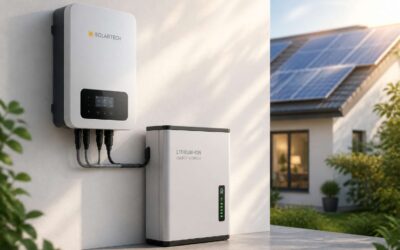
Power reliability hinges on how you install your solar battery 100ah. A solid setup keeps safety margins intact and boosts efficiency when sun is scarce. In SA, up to 33% of solar battery failures trace to installation issues. We install with a sturdy rack, ample clearance, proper fusing, and tidy cable management for a safe, reliable fit.
Maintenance centers on three principles: clean, secure connections; terminal protection from moisture; and temperature and voltage kept within normal ranges.
- Keep connections clean and secure
- Shield terminals from moisture and corrosion
- Maintain enclosure ventilation and stable temperature
Longevity comes from reliable thermal management and compatible components. When a system runs cool and balanced, cycles and capacity fade slow. Use quality connectors, sane charging profiles, and respect warranty guidelines for lasting performance and safety!
Routine Maintenance and Inspection Tips
Installation matters: in SA, up to a third of solar battery 100ah failures trace back to install mistakes. Mount the unit on a sturdy rack, give it ample clearance for airflow, and fuse the circuit. A neat, professional fit pays off in reliability—and fewer headaches.
Maintenance centers on vigilant monitoring and clean, dry connections. No drama: periodically check enclosure seals for dust or moisture ingress, verify safe cable routing, and confirm the charging profile matches the battery chemistry. Keep SOC and temperature within recommended ranges for longevity.
Longevity stems from thoughtful thermal management and component compatibility. Ensure adequate ventilation, avoid thermal spikes, and use quality connectors. Document performance logs and follow warranty guidelines to protect safety and prolong life in a South African grid-tied or off-grid setup.
Recommended Charging and Depth of Discharge Strategies
Installation is where concept meets gravity. In South Africa, a sturdy rack, ample airflow clearance, and robust circuit protection are not luxuries but prerequisites. The solar battery 100ah rewards tidy cabling and a professional fit with reliability and fewer headaches. Consider dust, heat, and sun exposure; a careful layout guards longevity across seasons.
Maintenance centers on vigilant monitoring, dry connections, and clean seals against dust or moisture ingress. No drama: check cable routing and confirm the charging profile matches the battery chemistry. Keep state of charge and temperature within recommended ranges for longevity.
- Enclosure integrity and ingress control
- Safe cable routing and protection
- Charging profile compatibility with chemistry
Longevity stems from thoughtful thermal management and component compatibility. Ensure adequate ventilation, avoid thermal spikes, and use quality connectors. Document performance logs and follow warranty guidelines to protect safety and prolong life in SA’s grid-tied or off-grid setups. For the solar battery 100ah, adopt charging and DoD practices that favor modest depth of discharge and steady cycling.
Troubleshooting Common Performance Issues
Power reliability is a lifeline in SA, and the solar battery 100ah acts as a steadfast sentinel during load-shedding and heatwaves. Installation matters: mount on a sturdy rack with ample airflow, keep cabling tidy, and fit robust circuit protection. A professional fit equals fewer headaches! I’ve seen tidy installs cut headaches across seasons.
Maintenance centers on vigilance, dry connections, and clean seals against dust or moisture ingress. No drama: keep routing tidy and ensure the charging profile stays aligned with the battery chemistry.
Longevity hinges on smart thermal management and compatible components. Provide ventilation, avoid thermal spikes, and document performance logs to safeguard safety and extend life in SA’s grid-tied or off-grid setups. Adopt charging and DoD practices that favour modest depth of discharge and steady cycling.
- Unexplained capacity fade in heat
- Frequent inverter alarms
- Excessive surface warmth
Planning Upgrades and Replacement Timelines
Install it right and the system stops auditioning for the role of drama queen — in South Africa, where load-shedding can stretch into hours, that matters. Place the unit where heat, dust, and the occasional thunderstorm won’t crash the party. Anchor on a robust rack with clear air gaps, tidy cabling, and robust circuit protection for fewer headaches when SA load-shedding hits.
Maintenance centers on vigilance. Dry connections, seals intact, and enclosures free of dust prevent drama during the peak sun. Regular checks of charging profiles and enclosure integrity keep aging components honest without heroic interventions.
Longevity planning for upgrades and replacement timelines keeps SA systems resilient. Track health with simple logs, plan modular upgrades (BMS firmware, packs, or controller swaps), and set a practical horizon for the battery and its ancillaries. A thoughtful approach around a solar battery 100ah stays reliable through grid-tied or off-grid realities.
0 Comments