
Understanding Pricing Dynamics for Solar Inverter Systems
Pricing for storage isn’t just sticker shock; it’s a weather report for your energy future. Globally, solar storage adoption climbs about 25% annually, and the solar battery inverter price rides that wind! In South Africa, where Eskom shadows daily life, the price tag carries not just hardware, but a spectral promise of reliable power when the lights go out.
Several levers shape the price, from the brand’s warranty to the system’s heart.
- Brand and warranty terms
- Inverter topology and efficiency rating
- Storage capacity and chemistry (LiFePO4 vs others)
- Installation complexity and grid connection
I watch the price curves twist like a weather vane in a storm. In South Africa, currency swings, import duties, and VAT tilt the numbers, but capacity and efficiency still promise quieter days and brighter nights as the market shifts.
Price Ranges by Capacity and Technology
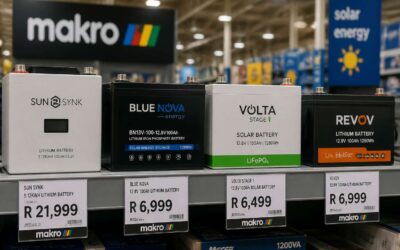
Like a wind-burnished compass, the solar battery inverter price points me toward a calmer grid and brighter evenings. When capacity meets chemistry, the numbers breathe with changing weather. In South Africa, that price dances with import duties and VAT, yet the map of options remains navigable, from tidy 3–5 kWh stacks to expansive 12–20 kWh systems!
- 3–5 kWh (LiFePO4): R25,000–R40,000
- 6–10 kWh (LiFePO4 or NMC hybrids): R60,000–R100,000
- 12–20 kWh (modular LiFePO4 or NMC): R120,000–R180,000
These figures are a living map; my notes drift with warranty choices, installation complexity, and grid connection, all shaping the final count as currency moves and the market tightens or loosens its grip.
Regional Variations and Market Factors
In South Africa, VAT sits at 15%, and import duties drift with policy tides, subtly shaping the solar battery inverter price we see on showroom floors. Regional flavors emerge where logistics meet local demand and supply chains adapt.
Several forces determine the price you ultimately pay:
- tariffs and VAT structures
- exchange rate volatility
- installer networks and regional availability
Across provinces, weather patterns and electricity tariffs color purchasing choices, turning inventories into a living map of opportunity and constraint. The market remains nimble, shifting with new shipments and warranty terms, yet the ambition remains constant: brighter evenings with less friction!
Cost-Saving Strategies and ROI Optimization
“Bright evenings, lighter bills—it’s not magic, it’s margin management.” In South Africa, aligning the solar battery inverter price with storage goals turns sunshine into steady savings. Pairing capacity with daily patterns and tariffs helps you harvest ROI while keeping the lights on through load-shedding seasons.
Here are practical strategies that blend imagination with data:
- Storage capacity debates focus on matching consumption patterns without over-provisioning
- Tariff structures influence when storage charges are most valuable
- Warranty terms and service networks shape long-term cost of ownership
As shipments flow and terms evolve, ROI stays alive, guiding you to brighter evenings with predictable pricing and fewer surprises.
Future Trends and Price Outlook
Storage costs have halved in five years, a hook that keeps SA households and businesses watching the skies. Future trends point to deeper grid integration, smarter energy management, and longer-lasting chemistries. That reshapes solar battery inverter price expectations as volumes grow, production lines mature, and service ecosystems widen. The result is a pricing narrative built on value and reliability, not just the sticker on the box.
- Local manufacturing and component sourcing in SA to reduce lead times
- Extended warranties tied to service networks
- Demand response and virtual power plants shaping value streams
- Policy instruments nudging storage adoption
For South Africa, local supply chains and warranty networks will anchor long-term ownership in a price environment that values uptime and service as much as raw cost.
The solar battery inverter price will increasingly reflect reliability and service quality.
0 Comments